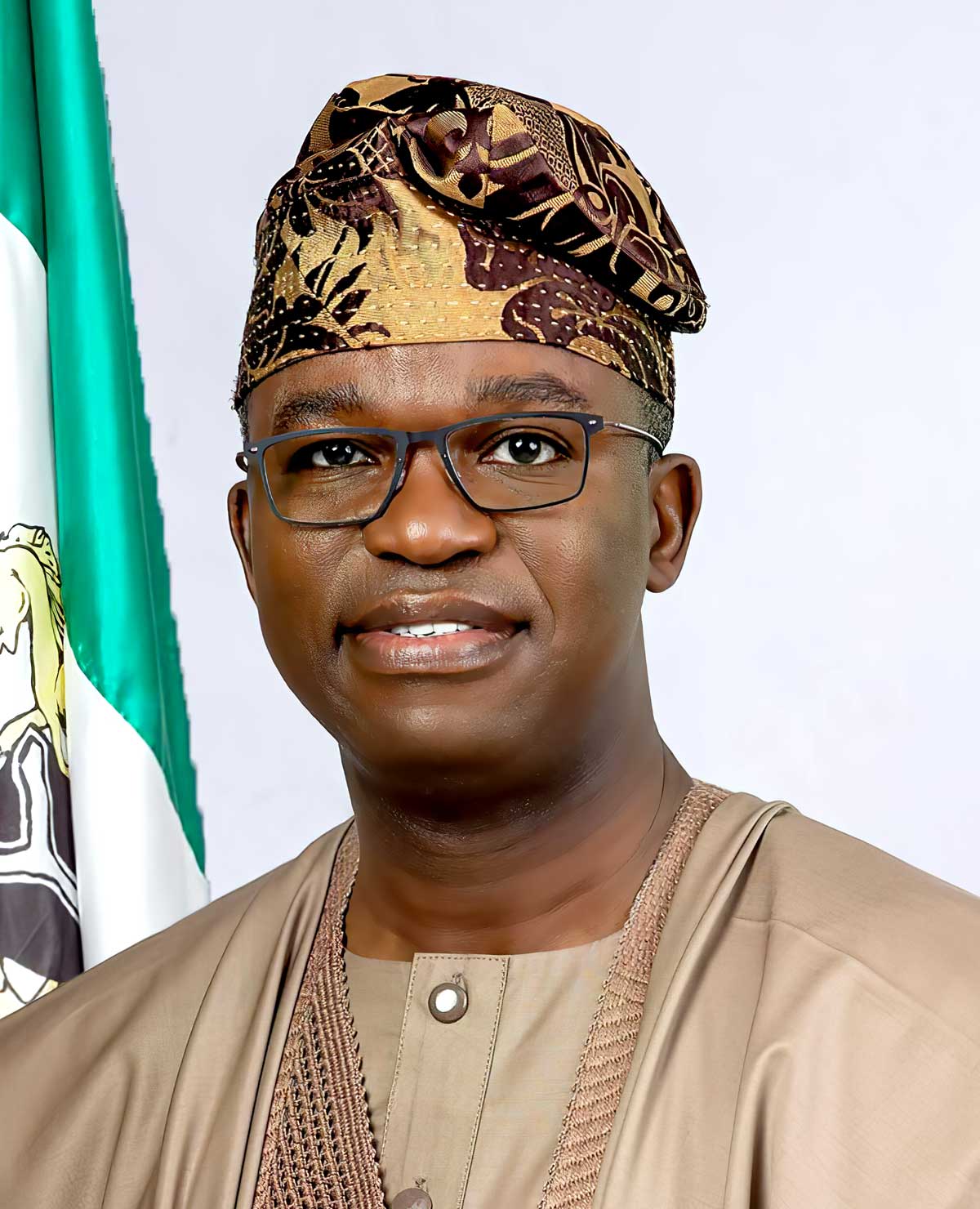
ABOUT MUKHAIL ADETOKUNBO ABIRU

Greater Good to a larger number!

Our guiding mantra is a promise for all-round sustainable human capacity development and empowerment
Partners for social Good!

About MUKHAIL ADETOKUNBO ABIRU

Focused on Doing Good for Lagos East

  • 32 years of public & corporate experience
  • Serving as the Honourable Commissioner of Finance, Lagos State (2011 -2013)
  • Pioneer and former Managing Director/Chief Executive Officer of Polaris Bank Limited

View a summary of my profile)

Senator Mukhail Adetokunbo Abiru, FCA and or “Tokunbo Abiru” is an accomplished Nigerian Banker, Chartered Accountant, and now a Public Servant. He is currently the Senator, representing Lagos East Senatorial District in the 10th Nigerian National Assembly, after about 32 years’ Corporate experience (of which 29 years was spent in the banking industry).

He is currently the Chairman, Senate Committee on Banking, Insurance and other Financial Institutions as well the Chairman of the Nigerian Southern Senators Forum in the National Assembly. He was also the Chairman, Senate Committee on Industries in the 9th National Assembly.

He was the pioneer and former Managing Director/Chief Executive Officer of Polaris Bank Limited. He led the turnaround of erstwhile Skye Bank Plc, as Group Managing Director/Chief Executive Officer, under the CBN-induced take-over of the Bank, in a bid to avoid its collapse and also preserve the stability of the overall Nigerian Financial System.

His banking career were in top Nigeria Financial Institution such as First Bank of Nigeria (2002 - 2016), where he rose to the level of Executive Director, Corporate Banking and Guaranty Trust Bank (1991 - 2000).

Tokunbo Abiru, also served on other notable boards as Non-Executive Directors; FBN Capital Limited (now FBN Quest Merchant Bank Limited); FBN Bank Sierra-Leone Limited; Airtel Mobile Networks Limited; and Nigeria Inter-Bank Settlement System Plc. (NIBSS).

During the course of his professional career, he also had the privilege of serving as the Honourable Commissioner of Finance, Lagos State (2011 - 2013), under the transformational Leadership of Mr. Babatunde Raji Fashola (SAN).

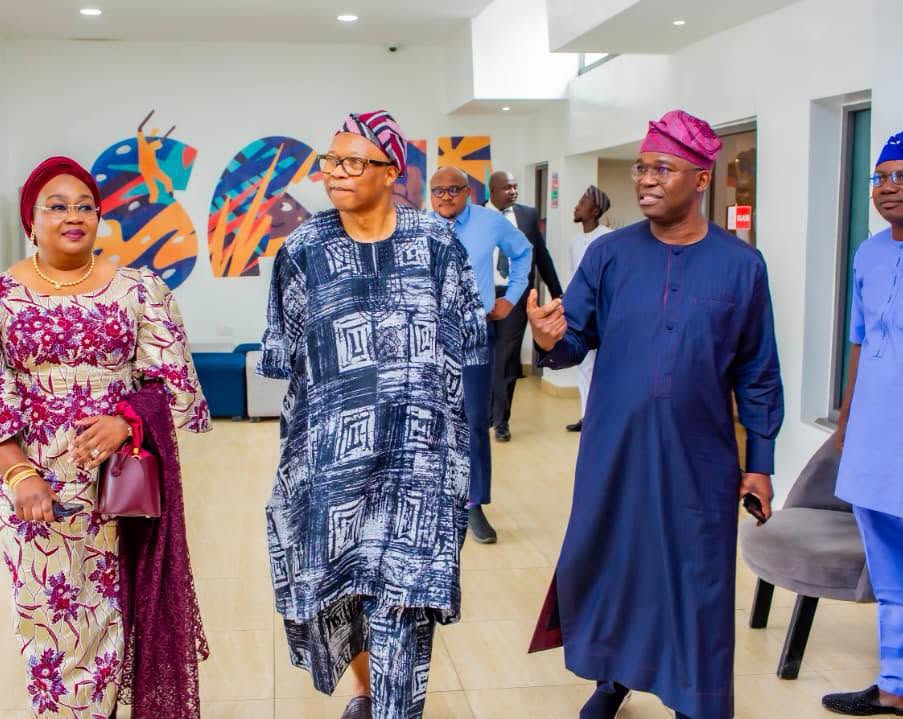
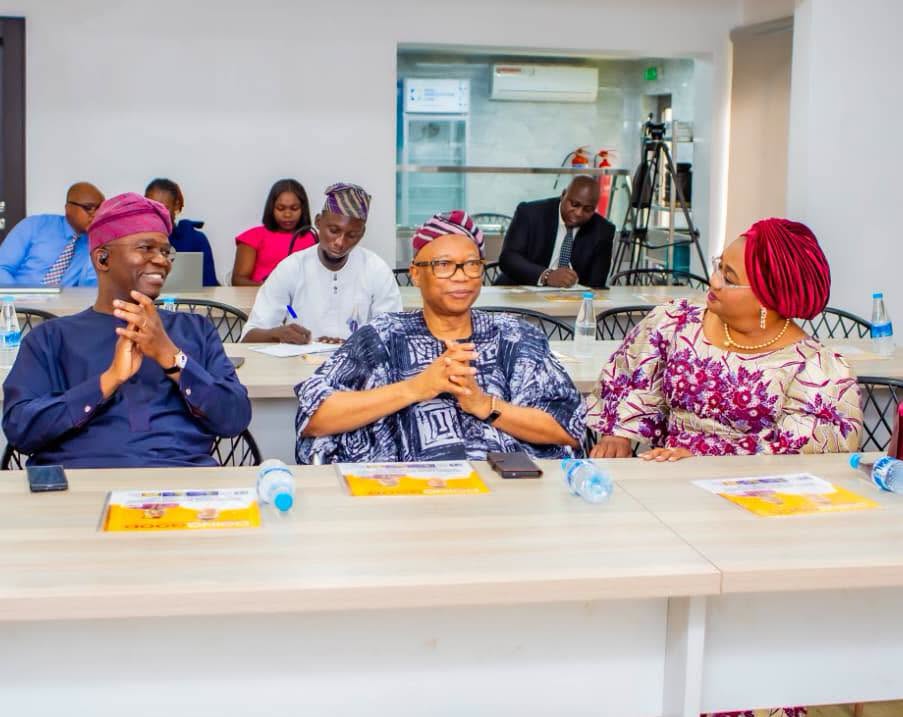
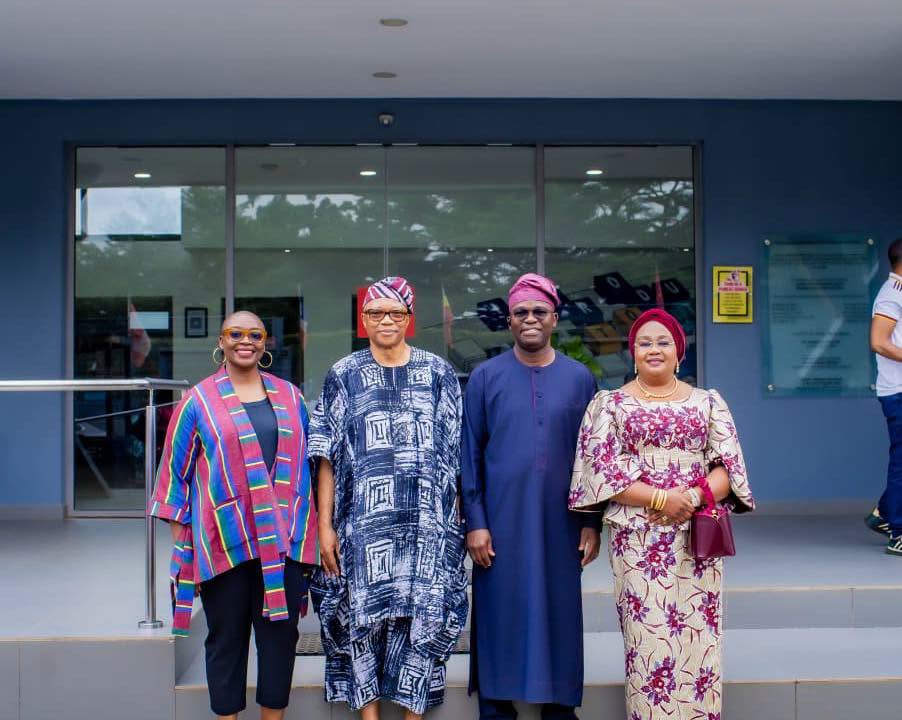
Senator Abiru’s passion for human capital development is most evident through his Endowment initiative, anchored on the SAIL Empowerment Foundation. The Foundation, funded from his personal resources, his wife’s contributions, and the goodwill of well-wishers, focuses on uplifting underserved communities through various social interventions.

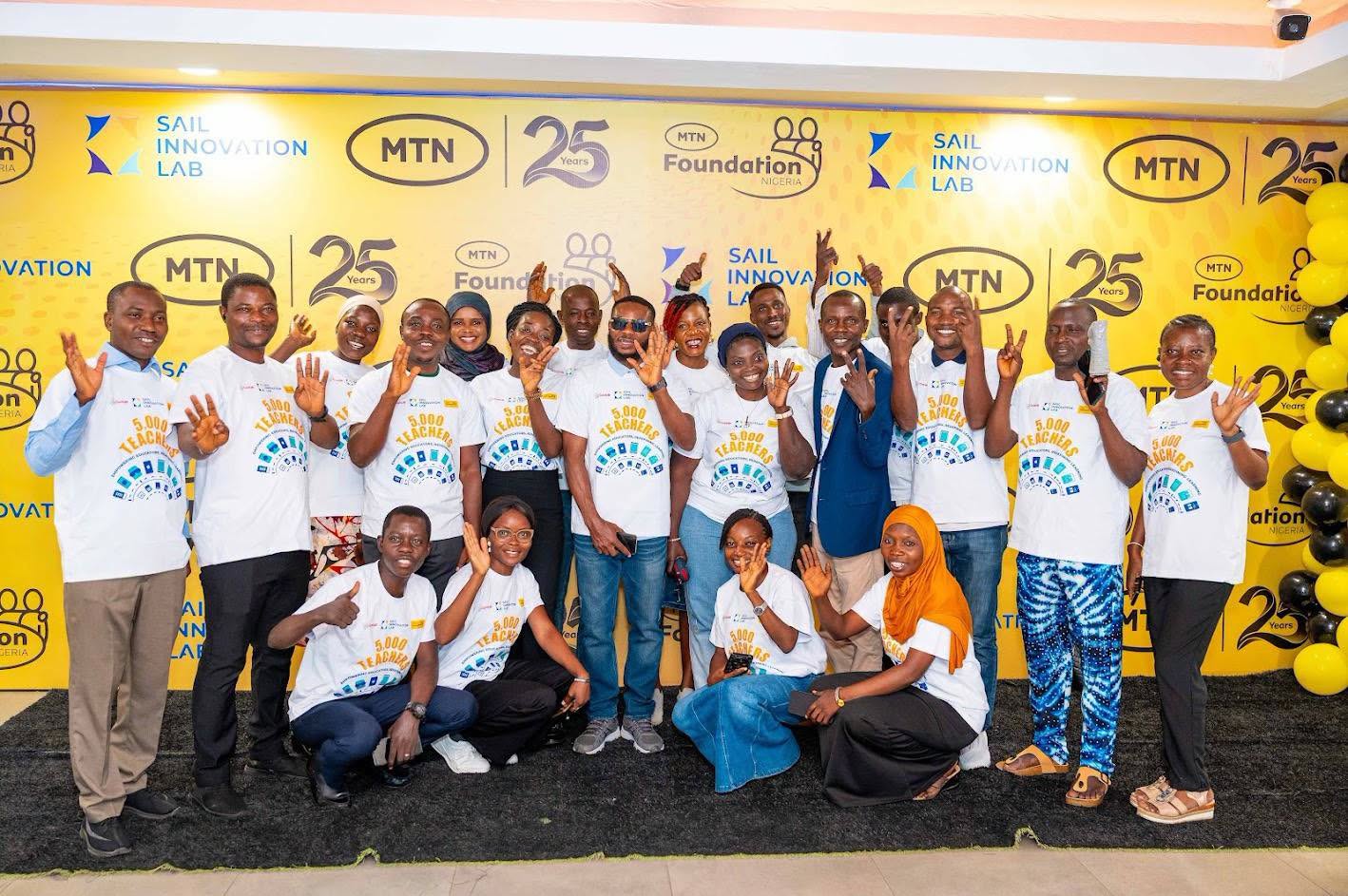
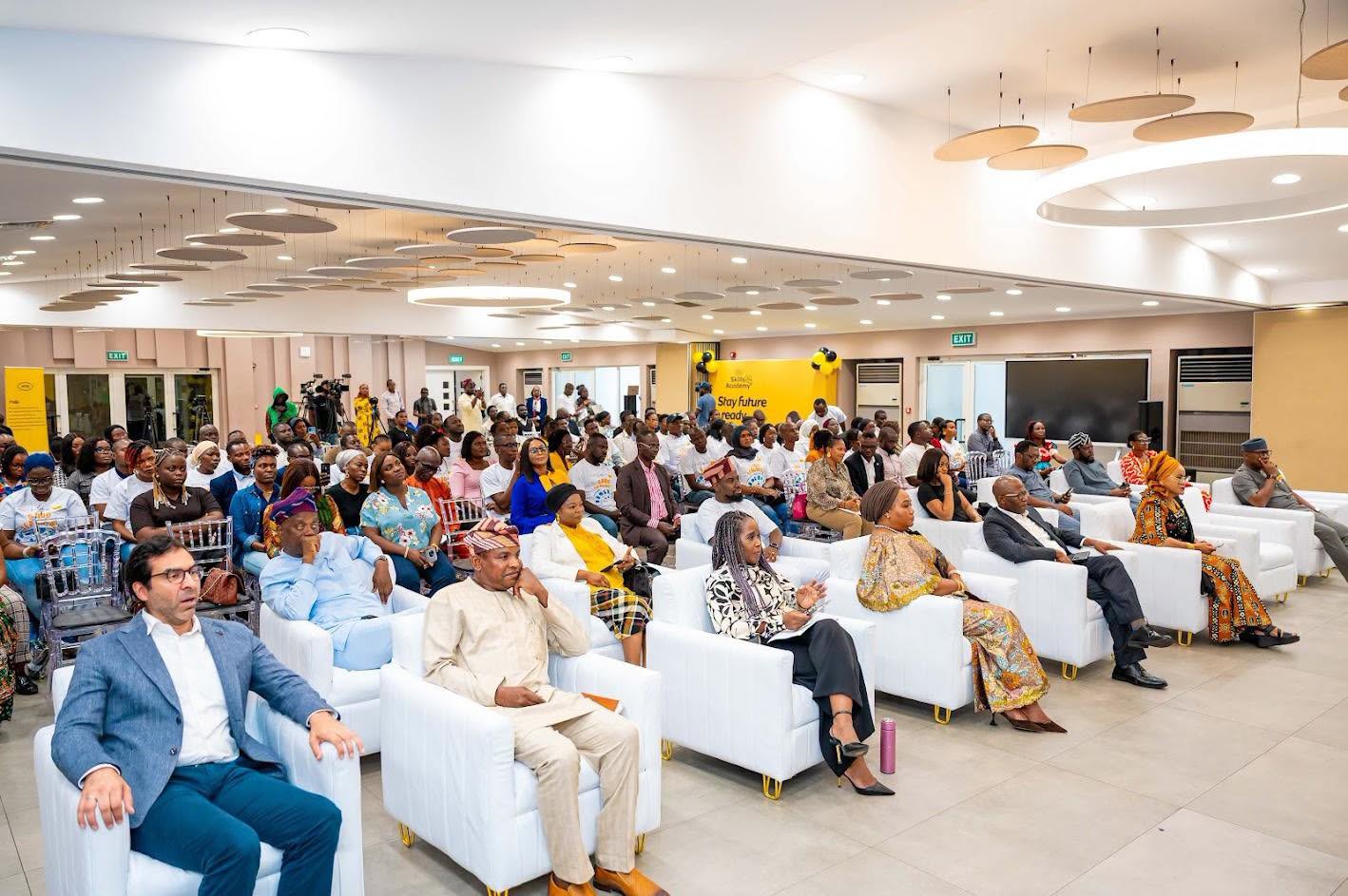
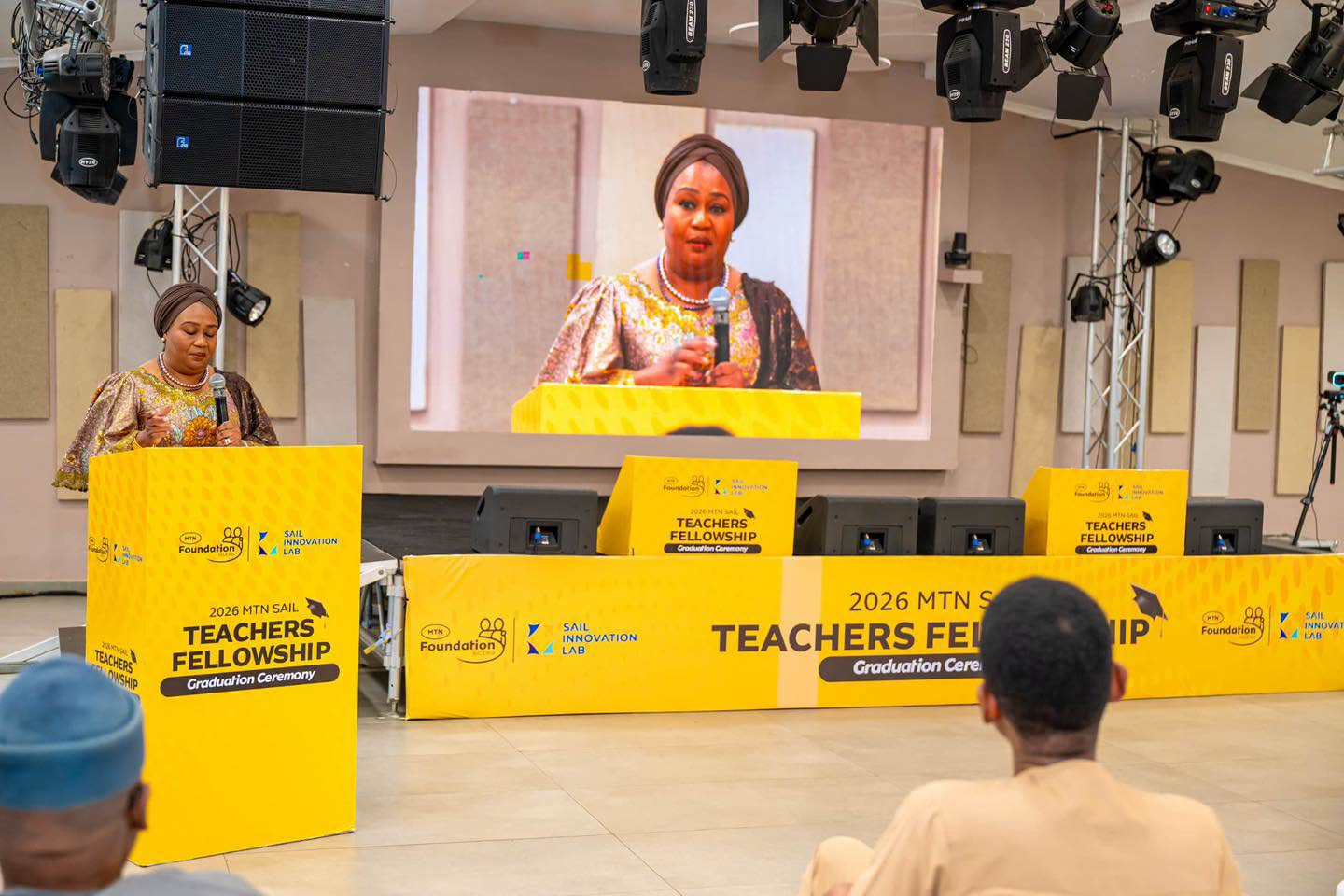
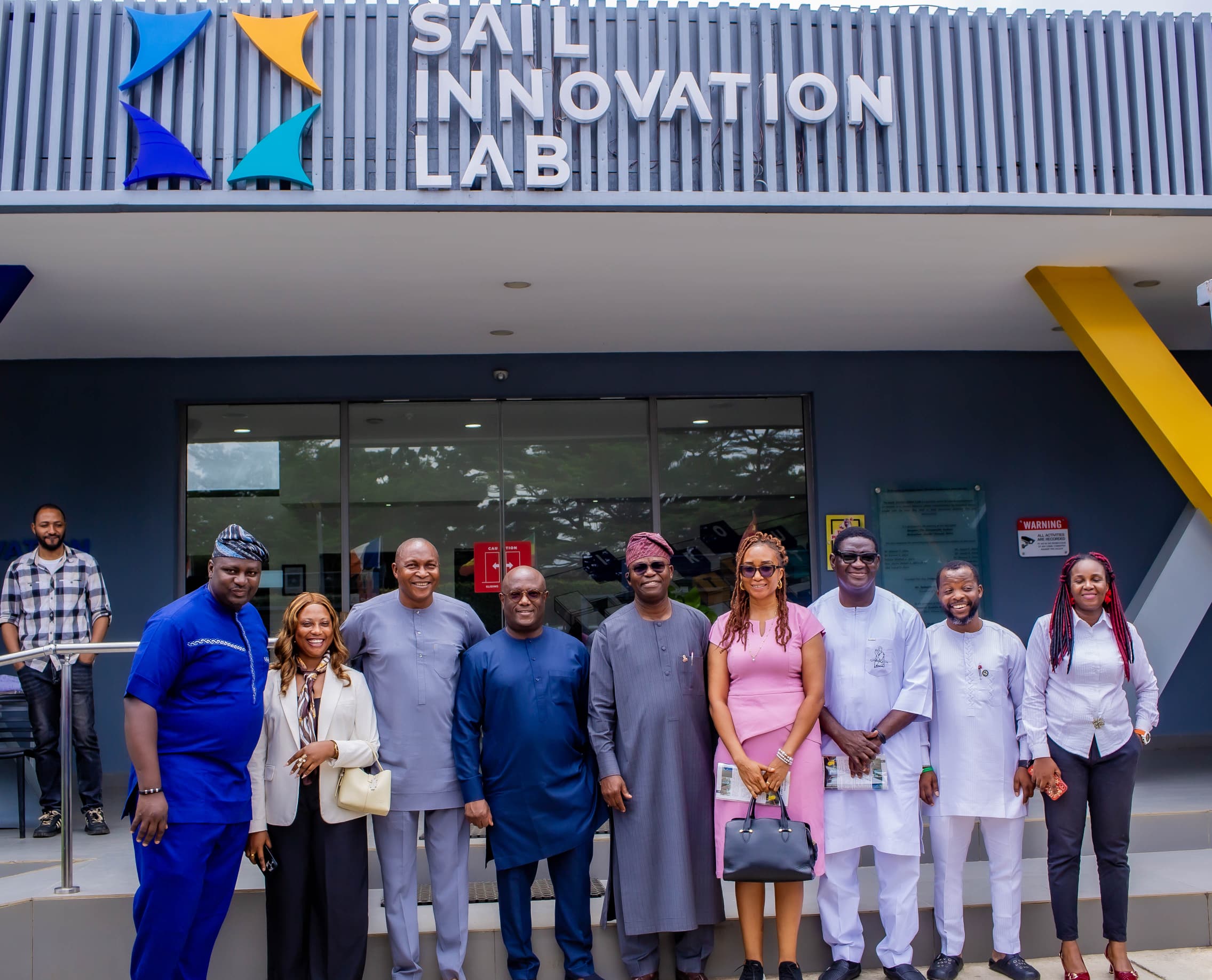
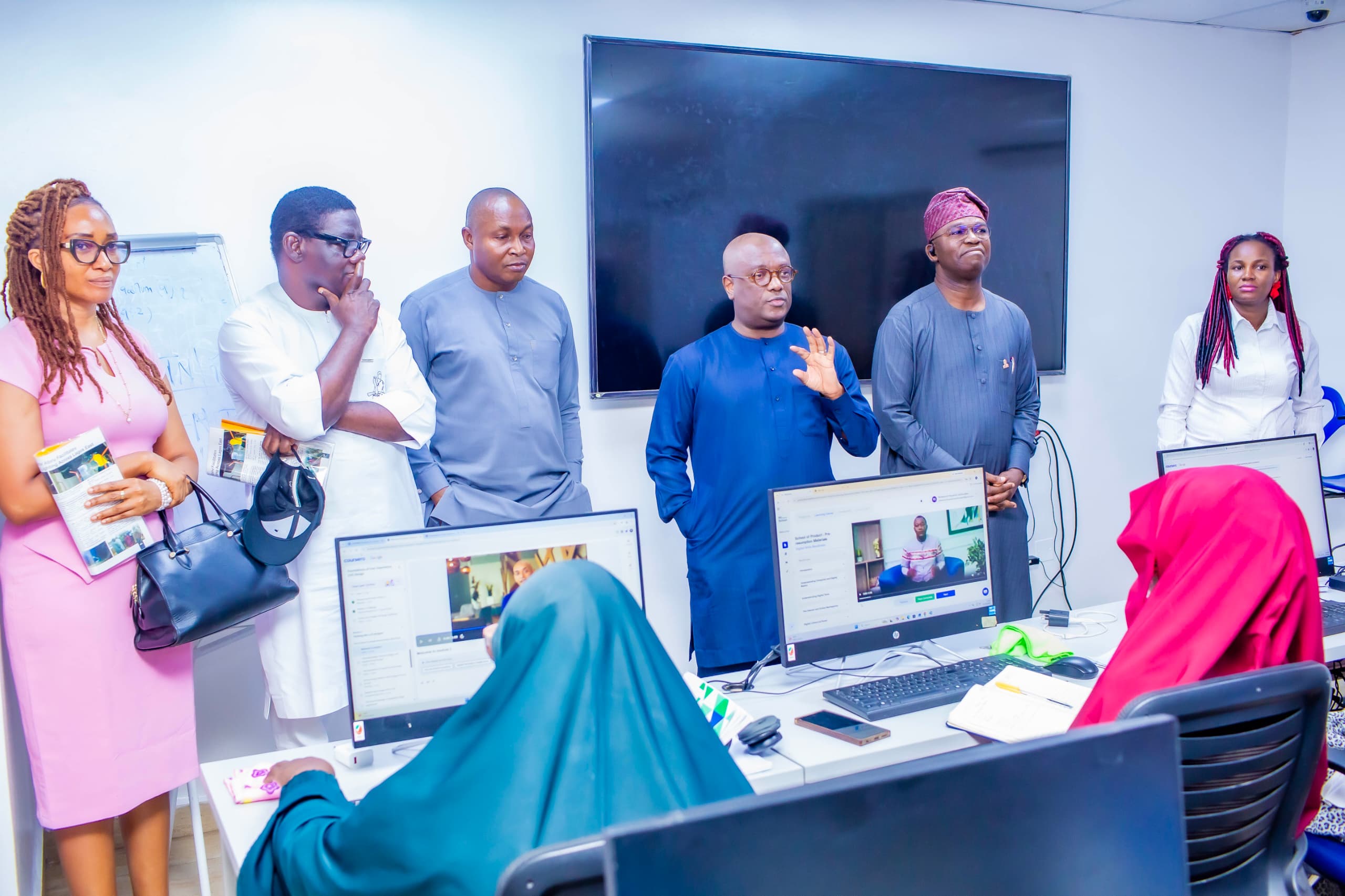
A flagship program of the SAIL Empowerment Foundation is the SAIL Innovation Lab, which focuses on empowering young people through innovation and technology. The Academy, located in Ikorodu, Lagos, offers world-class training facilities managed by the best in class faculty led by Co-Creation Hub (CcHub), a foremost technology and innovation company in Africa, with offices in Lagos, Nairobi, Kigabi, South Africa and London.

Some of the programs currently running in the facility are: Tech Talent Development; Start-up Accelerator; STEM; Teachers’ Fellowship; Data Science; and Soft skills. Average program tenure is about six (6) months, and all programs are free of charge for the participants. To date over 9, 000 constituents have benefited from this program. This initiative reflects Senator Abiru’s commitment to equipping the next generation with the skills necessary to thrive in a rapidly changing world.

Senator Tokunbo Abiru holds a B.Sc Economics from Lagos State University, and he is a Fellow of the Institute of Chartered Accountants of Nigeria (ICAN) and an Honorary Fellow of the Chartered Institute of Bankers of Nigeria (FCIB). He is an alumnus of both Lagos Business School (LBS) and Harvard Business School (USA).

Tokunbo Abiru retired from banking in August 31st, 2020 and he is a Senator of the Federal Republic of Nigeria, representing Lagos East Senatorial District in the National Assembly since December 2020.

Senator Mukhail Adetokunbo Abiru, FCA, is happily married to Mrs. Feyisola Abiru and they are blessed with children.

Our Values

The values that drive everything we do

Our #DoingGood to Greater Number mantra is the driving force behind our values.

Transparency

We operate an open door which encourages free flow of information and create new opportunities for our constituents.

Hard work

We work round the clock to ensure we bring people-oriented legislation, empowerment programmes & facilitations that'll raise the standard of living of our people.

Empathy

We understand your concerns and fears about our communities and nation. You are not alone.

Equality

Access to our programmes are devoid of tribalism, religious sentiment, colour and party affiliations.

Freedom

Wherever you live, we believe every Nigerian has the constitutional freedom to accomplish his or her dream without any encumbrances.

Innovation

This runs in our DNA. We'll continue to look for unique ways and partners that would make #DoingGood a Nigerian reality!

Achievements

Our achievements so far?

Our commitment to the good constituents of Lagos East senatorial district is unwavering

600

Annual Bursaries To Brilliant Students In Tertiary Institutions

10,000+

Youths & Entreprenuers undergone digital & innovation skill development for future & global competitiveness through the SAIL Endowment Foundation.

1,000+

MSMEs accessed N300m revolving loan @ concessionary interest rate of 6% per annum

2,500

Beneficiaries Of Monthly COVID-19 cash support

1800+

Beneficiaries received monthly financial assistance

20

MSMEs received N100,000 direct grant each

30,000+

Quarterly Food packs to vulnerable constituents including unemployed youths, elderly, women, and People Living With Disability (PLWD) across Lagos East Senatorial District

Our timeline

Browse Tokunbo Abiru’s timeline

Keep abreast of Senator Tokunbo Abiru's activities. Join our press room

March 26th 2026

Senator Abiru Hosts Lent Service, CAN Commends Initiative as Lagos East Christians Unite in Prayer

Christians across Lagos East Senatorial District, under the auspices of the Christian Association of Nigeria (CAN), converged for the annual Senator Mukhail Adetokunbo Abiru Lent Service and Prayer Session, in a demonstration of faith, unity, and interfaith harmony. The event, which followed the successful Ramadan Lecture Series organised by Senator Abiru across the senatorial district, stressed the lawmaker’s commitment to inclusive leadership, religious tolerance, and community cohesion. Representing the Senator at the event, Otunba Saheed Oladapo Ibikunle, PhD, Special Adviser on Constituency Matters, emphasised that the initiative reflects Senator Abiru’s deliberate effort to engage with all segments of his constituency, irrespective of religious affiliation. ![LentSenatorAbiru_4.jpg](https://tact-space.fra1.digitaloceanspaces.com/e901b24f738dcaf22cff9aa44dbfd141.jpg) “The Senator is committed to engaging with all strata of the constituency and respecting what they practice. That is why he actively participated in the Ramadan Tafsir and is now identifying with the Christian community during Lent. This is what true representation means,” Ibikunle said. He urged Nigerians to reject divisive tendencies rooted in religion, noting that both Christians and Muslims worship the same God and should not allow religious differences to breed hatred or disunity. “There should be no delineation based on religion when it comes to leadership and civic responsibility. Ramadan and Lent coexisted this year, and that is a powerful message of unity. We must see ourselves as brothers and sisters and resist any attempt to use religion as a tool for division,” he added. In his remarks, the Chairman of CAN in Lagos East Senatorial District, Reverend Joshua Ojo, commended the initiative, describing it as a laudable platform that fosters unity and spiritual reflection among Christians in the district. “This is a commendable initiative, and we appreciate it. This is the second edition, and bringing Christians together in this manner promotes unity and brotherliness. It is also a period of sober reflection and collective prayers for a better Nigeria,” he said. ![LentSenatorAbiru_2.jpg](https://tact-space.fra1.digitaloceanspaces.com/f93fb9a51b8094266dc762abba71e7f8.jpg) Delivering the sermon, the Guest Minister, Venerable Gbenga Matthew Babatunde, Provost of the African Church Bethel Cathedral, Aga, Ikorodu, spoke on the theme “Doing Good,” drawing parallels between Christian teachings and Senator Abiru’s #DoingGood mantra. He stressed that doing good is a fundamental obligation for all believers, urging the christains to live lives of service to humanity and devotion to God. “Doing good is a divine mandate. God has called us to serve humanity across all divides. Like the parable of talents teaches us, our gifts are of no value until they are put to use. We must deploy our talents in the service of God and mankind,” he said. ![LentSenatorAbiru_1.jpg](https://tact-space.fra1.digitaloceanspaces.com/a9a0f7b36a931d9a2736acb47eeabee4.jpg) The event attracted several dignitaries and political leaders, including Yeye Olayinka Olusanya, APC Vice Chairman, Lagos East Senatorial District; Deaconess Wonuola Aderibigbe-Oshinowo, JP, Lagos East Women Leader; Rtd. Col. Titilola Onafowokan, PhD; Alhaja Sherifat Abiodun Ogunniyi;Comrade Kehinde Olusola Okeowo; Barrister Olusegun Ojelade; Alhaji Musiliu Sulaimon (Ola 4); Comrade Japhet Odesanya and Hon. Kazeem Showemimo, among others.

March 6th 2026

Insurance Reforms Act Key to Strengthening Nigeria’s Financial System, Senator Abiru Declares

The Chairman of the Senate Committee on Banking, Insurance and Other Financial Institutions, Senator Mukhail Adetokunbo Abiru, FCA, has described the recently passed Nigerian Insurance Industry Reform Act as a decisive step toward repositioning the country’s insurance sector for growth, resilience and global competitiveness. According to the senator, the reform law represents a critical legislative milestone aimed at modernising the legal framework governing the industry and unlocking its long-standing potential. Abiru stated this on Wednesday while delivering a keynote address at the Insurance Sector Consultative Forum organised by EnterpriseNGR at the Nigeria Insurers Association Conference Hall, Victoria Island, Lagos. ![senatorAbiruInsuranceTransformation_6.jpeg](https://tact-space.fra1.digitaloceanspaces.com/de47eb01fa7fa84d985ffe66b319fbbe.jpeg) Speaking on a topic titled, “Reform, Resolve, Results: Powering a New Era for Nigeria’s Insurance Sector,” the lawmaker noted that despite Nigeria’s population of over 200 million people, insurance penetration remains about 0.44 percent of Gross Domestic Product (GDP), indicating significant room for expansion. Senator Abiru said although gross premiums reached about ₦1.56 trillion in 2024, the industry’s long-term investment capacity remains modest compared with other emerging markets. Drawing comparisons across Africa, he observed that insurance penetration exceeds 11 percent of GDP in South Africa and is above 2 percent in Kenya, largely driven by innovation and wider distribution channels. ![senatorAbiruInsuranceTransformation_5.jpeg](https://tact-space.fra1.digitaloceanspaces.com/977754085ef764a749b9d38d510cd688.jpeg) The lawmaker further noted that the expected outcomes of the reform include stronger solvency standards, faster and more transparent claims settlement, increased insurance penetration among households and small businesses, and improved enforcement of compulsory insurance policies, stressing that the reforms had restored consumer confidence in the industry. He said that a stronger and well-capitalised insurance sector would significantly contribute to national economic resilience by providing long-term financing for development projects. According to him, insurance companies globally serve as major institutional investors that support infrastructure development and economic expansion. The Chairman of EnterpriseNGR, Mr. Aigboje Aig-Imoukhuede; Commissioner for Insurance and Chief Executive Officer of the National Insurance Commission (NAICOM), Mr. Olusegun Omosehin; and other prominent industry leaders emphasised the urgent need for coordinated reforms, stronger industry collaboration, and innovative approaches to expand insurance adoption and improve public confidence in the sector. On why the EnterpriseNGR,is convening critical meeting of top stakeholders in the insurance industry, the Chairman of EnterpriseNGR, Mr. Aigboje Aig-Imoukhuede, said: “The greatest source of growth for any economy is investment, and the lever through which that growth is achieved is the financial and professional services sector. So we want to have a vibrant financial and professional services sector. One of the most important professions and services across the world is insurance, and that is why we are focused on the insurance subsector at this time. ![senatorAbiruInsuranceTransformation_2.jpeg](https://tact-space.fra1.digitaloceanspaces.com/56455d8a3a0ccdc89bf6da9d180a10db.jpeg) “The whole idea is to achieve a level of relevance of insurance in the economy that is higher than what it is today. Right now, we are under one percent penetration in terms of insurance-to-GDP ratio. Some countries are at three percent, others at 11 percent. So if we grow from where we are today to three percent, that is tripling the sector, and if we go to 11 percent, that is ten times growth. The effect on the overall economy will be tremendous.” Also, the Commissioner for Insurance and Chief Executive Officer of the National Insurance Commission, Mr. Olusegun Omosehin, disclosed that: “Given the ambition of President Bola Tinubu on the direction of the transformation of the Nigerian economy, the transformation of the insurance sector is no longer optional. It has to commence now. “Given the level of work that has been done at the regulatory end, it then becomes obvious that we needed a platform for collaboration across all stakeholders in the financial services and professional ecosystem to ensure that the desired transformation is given meaning. There is no nation on this planet that can successfully transit to that level of growth without the resilience required from the insurance sector.” ![senatorAbiruInsuranceTransformation.jpg](https://tact-space.fra1.digitaloceanspaces.com/4b8dbd8b2ff6299833b1ee2e7655562b.jpg) Also speaking, the President and Chairman of Council of the Chartered Insurance Institute of Nigeria (CIIN), Mrs. Yetunde Ilori; the Director-General of the Nigerian Insurers Association, Mrs. Bola Odukale; the Chief Executive Officer of EnterpriseNGR, Obi Ibekwe; and other stakeholders underscored the importance of collective action across regulators, policymakers, insurers, brokers, and other stakeholders to address structural barriers limiting insurance penetration and strengthen the sector’s contribution to Nigeria’s economic development. They emphasised the need for stronger collaboration between industry stakeholders, professional bodies, and academic institutions to build a future-ready workforce while reinforcing ethical standards and continuous professional development across the sector. Odukale said, “the talks about collaboration are very important because we are transitioning in terms of reforms, like the NIRA Act 2025, which is going to transform our market. So when we are talking about transformation, you actually need people that you will collaborate with. You can’t do everything just by yourself. “For us as an industry, collaboration is key and this is very important to us. We believe it is going to have a lot of impact on the ability to deepen insurance penetration in Nigeria and also for our industry to continue to give value to the insuring public.”. Participants at the forum also examined the key factors responsible for the low adoption of insurance products in Nigeria, including limited consumer awareness, trust deficits driven by claims disputes, and inefficiencies in customer experience.

March 4th 2026

Senate Advocates CBN’s Coordination of Other Regulatory Agencies to Regulate Fintech Operations in Nigeria; Seeks Stricter Measures to Prevent Ponzi Scheme Fraud

The Nigerian Senate has called for a strengthened regulatory framework that places the Central Bank of Nigeria (CBN) at the centre of coordinating oversight for the country’s fast-growing fintech sector, while also demanding tougher measures to combat the proliferation of Ponzi schemes in Nigeria. The position was articulated by Senator Mukhail Adetokunbo Abiru (Lagos East), Chairman of the Senate Committee on Banking, Insurance and Other Financial Institutions, on Wednesday at the National Assembly, Abuja, during a one-day public hearing on the Banks and Other Financial Institutions Act (Amendment) Bill 2025 (SB. 959) and an investigative hearing into the operations of Ponzi schemes in Nigeria, with particular reference to the recent Crypto Bullion Exchange (CBEX) incident. ![SenatorAbiru_Senate2026_5.jpg](https://tact-space.fra1.digitaloceanspaces.com/929e3396256803ba86beb24d8b87c362.jpg) The hearing, jointly convened by the Senate Committees on Banking, ICT and Cyber Security, Capital Market, and Anti-Corruption and Financial Crimes, focused on strengthening Nigeria’s financial regulatory architecture amid rapid digital transformation and rising financial fraud. Senator Abiru, a retired bank chief, an accomplished economist and accountant, in his address advocated for strengthening the existing legal framework under the Banks and Other Financial Institutions Act (BOFIA) and explicitly placed fintechs under the supervisory authority of the CBN. ![SenatorAbiru_Senate2026_3.jpg](https://tact-space.fra1.digitaloceanspaces.com/8df99b04d1ae7a448b8fbba8adb89067.jpg) According to him, the Bill seeks to amend the Banks and Other Financial Institutions Act (BOFIA) 2020 to provide a clear statutory framework for the designation, registration, and enhanced supervision of Systemically Important Institutions, particularly technology-enabled financial service providers. Over the past decade, Nigeria’s financial ecosystem has evolved significantly. Fintechs—mobile money operators, payment platforms, digital lenders, and settlement companies—now serve millions of Nigerians, process vast transaction volumes, and hold sensitive financial data. While their growth has strengthened financial inclusion, the law has not kept pace with their scale and systemic relevance. ![SenatorAbiru_Senate2026_2.jpg](https://tact-space.fra1.digitaloceanspaces.com/143c7a2ab3484cc451dfced214c8128f.jpg) Although the Central Bank of Nigeria currently designates Systemically Important Financial Institutions, the framework is largely bank-focused and does not fully address the realities of large, data-driven, non-bank financial platforms. This creates a regulatory gap with implications for financial stability, data sovereignty, consumer protection, and national security. This amendment will: Empower the CBN to designate qualifying fintechs and digital financial institutions as Systemically Important Institutions. Establish a national registry to enhance transparency and beneficial ownership disclosure. Strengthen risk-based supervision tailored to technology-driven financial services. Promote data sovereignty and systemic stability. “The question has arisen as to whether the creation of a new standalone regulatory agency would be a preferable pathway for supervising fintechs,” Abiru said. “However, after careful consideration, it is evident that establishing an entirely new agency would duplicate functions, create bureaucratic overlap, increase administrative costs, and fragment regulatory authority in a sector where coordination and coherence are essential.” He emphasised that fintech regulation is closely linked to monetary policy, payments oversight, prudential supervision, Know-Your-Customer (KYC) and Anti-Money Laundering (AML) enforcement, and systemic risk monitoring functions that already reside within the Central Bank. ![SenatorAbiru_Senate2026_4.jpg](https://tact-space.fra1.digitaloceanspaces.com/8db420ae9d6419132fa5017f2bed0184.jpg) “It is far more effective to strengthen the BOFIA framework, modernise CBN supervisory powers, and mandate robust coordination with agencies such as the Securities and Exchange Commission, Nigerian Communications Commission, National Information Technology Development Agency, Corporate Affairs Commission, Federal Competition and Consumer Protection Commission, Office of the National Security Adviser and the Federal Ministry of Finance,” he said. He added that incorporating fintech regulation into BOFIA would prevent the emergence of regulatory silos and ensure that digital financial services remain fully integrated with the broader banking ecosystem. Beyond fintech regulation, the Senate intensified its scrutiny of Ponzi schemes and fraudulent digital investment platforms during the hearing. Senator Abiru described their growing prevalence as a serious threat to financial stability and public confidence, citing the recent CBEX incident, which reportedly caused significant losses to many Nigerians, including young professionals, retirees, traders, small business owners, and students. He warned that such schemes not only inflict individual hardship but also undermine trust in legitimate financial institutions, distort capital allocation, damage Nigeria’s financial reputation, and heighten risks of money laundering and illicit financial flows. Following its investigation into regulatory gaps, institutional coordination, and the adequacy of existing laws, the Senate proposed stricter measures to curb the operations of fraudulent Ponzi schemes. Stakeholders and industry experts who made submissions and submitted memoranda at the public hearing include; the Central Bank of Nigeria, CBN, Nigerian Deposit Insurance Commission (NDIC), EFCC, NCC, FCCPC, Ministry of Finance Incorporated, Chartered Institute of Bankers among others.

February 21st 2026

Youths key to sustainable national development, says Abiru

The Senator representing Lagos East Senatorial District, Adetokunbo Abiru, said that President Bola Tinubu understands that sustainable national development cannot be achieved without the full engagement of young people. The event held at the Lagos State House of Assembly. It had as its theme, “Youth Legislature on the Rise: Shaping Policies for the Future,” reflecting the urgency of the times. Mr Abiru, who is also the chairman of the Nigerian Southern Senators Forum, said that on this day, they had witnessed young Nigerians taking up critical roles in the Federal Executive Council and other key institutions. The federal lawmaker added that the president had demonstrated a clear commitment to repositioning the economy and creating sustainable opportunities for young people. ![SenatorAbiru_YouthParliament_4.jpg](https://tact-space.fra1.digitaloceanspaces.com/42470b0ce8ca39e7cfb6e3e7686ca129.jpg) He said: “One of the most admirable hallmarks of the President’s administration is the inclusion of young people in governance. “Examples are: Dr Bosun Tijani, Minister of Communications, Innovation and Digital Economy – a tech visionary; Mr Ayodele Olawande, Minister of Youth Development an active youth voice from the grassroots. ![SenatorAbiru_YouthParliament_6.jpg](https://tact-space.fra1.digitaloceanspaces.com/f5078c7dca786d477a8837dbb0b55c76.jpg) “Mr Aminu Umar-Sadiq, MD/CEO of Nigeria Sovereign Investment Authority entrepreneurship. An advocate for youth; Uzoma Nwagba, MD/CEO of Nigerian Consumer Credit Corporation champion of financial inclusion for youth empowerment. “And several others serving as special assistants, advisers, and chief executive officers of critical agencies. “This intentional inclusion is a validation of the age-old truth that the youths are not just leaders of tomorrow; they are leaders of today.” The senator said it was no coincidence that one of the fastest-growing sectors under this administration was the digital economy and tech space. He said the president had strategically positioned Nigeria to become a hub for innovation and entrepreneurship in Africa. Mr Abiru said through support for tech startups, the expansion of digital infrastructure and favourable regulatory reforms, our young people were now leading a digital revolution. He said: “Across the world, young people are no longer content with being passive observers of governance. “They are innovators, entrepreneurs, digital architects, policy advocates, and reform champions. The 21st century has shifted power dynamics. “As young leaders, your role is not merely to critique policies, but to engage constructively, monitor implementation, propose improvements, and support initiatives that advance national progress.” Mr Abiru said looking ahead to the general elections in 2027, young people must recognise the power of their civic participation. He said supporting continuity where reforms were yielding results was not about partisanship, but it was about stability, progress, and the consolidation of gains already made. Mr Abiru urged the youth to mobilise, organise, and galvanise support for the success of this administration and its re-election in 2027. ![SenatorAbiru_YouthParliament_2.jpg](https://tact-space.fra1.digitaloceanspaces.com/f7a67bfab4242a8a089d65b6f8fd1cd7.jpg) He also advised youth parliamentarians that leadership required more than ambition, as it also required competence, character, collaboration, and consistency. Mr Abiru said they might sit this day in a chamber that mirrored the architecture of governance, adding that one day, many of them would occupy positions in the national assembly, state assemblies, and become chief executives. In his remarks, the Speaker of the House, Mudashiru Obasa, said in spite of the Not Too Young Act, which lowered age barrier into public offices, youth representation in legislative chambers remained limited in practice. Mr Obasa, represented by his deputy, Lasbat Meranda, said this reality was a clarion call that youth participation would not flourish by accident; it must be strengthened through deliberate policies and intentional institutional design. He added that in the just concluded 2023 general elections, youths constituted the largest segment of registered voters, yet the translation of voter registration into youth representation remained marginal. According to him, these numbers underscore the reality that our youths are numeric, they have not yet achieved the commensuration influence within the corridor or policy making and law making. In her welcome remarks, the Speaker of the 5th Lagos State Youth Parliament, Itunuoluwa Soniregun, said it gave her pride to welcome guests to the first of its kind Eko Youth Parliamentary Summit. Ms Soniregun, who is also the vice chairperson of the Conference of State Speakers in Nigeria, said this day was a proof that the voice of Lagos youth was no longer a whisper in the corridor of power but a desirable call to shape the state. ![SenatorAbiru_YouthParliament_3.jpg](https://tact-space.fra1.digitaloceanspaces.com/c848ed3cc687079b5449b0802c86537e.jpg) She said the Lagos parliament had been recognised as a youth body actively engaged in international partnership that provided opportunities, exposure and open relevance to young people in the state. (NAN)