
PRESS
MTN-SAIL Teachers’ Fellowship Trains 5,000 Public School Teachers, Introduces AI-Assisted Teaching to Nigerian Classrooms
MTN-SAIL Teachers’ Fellowship Trains 5,000 Public School Teachers, Introduces AI-Assisted Teaching to Nigerian Classrooms
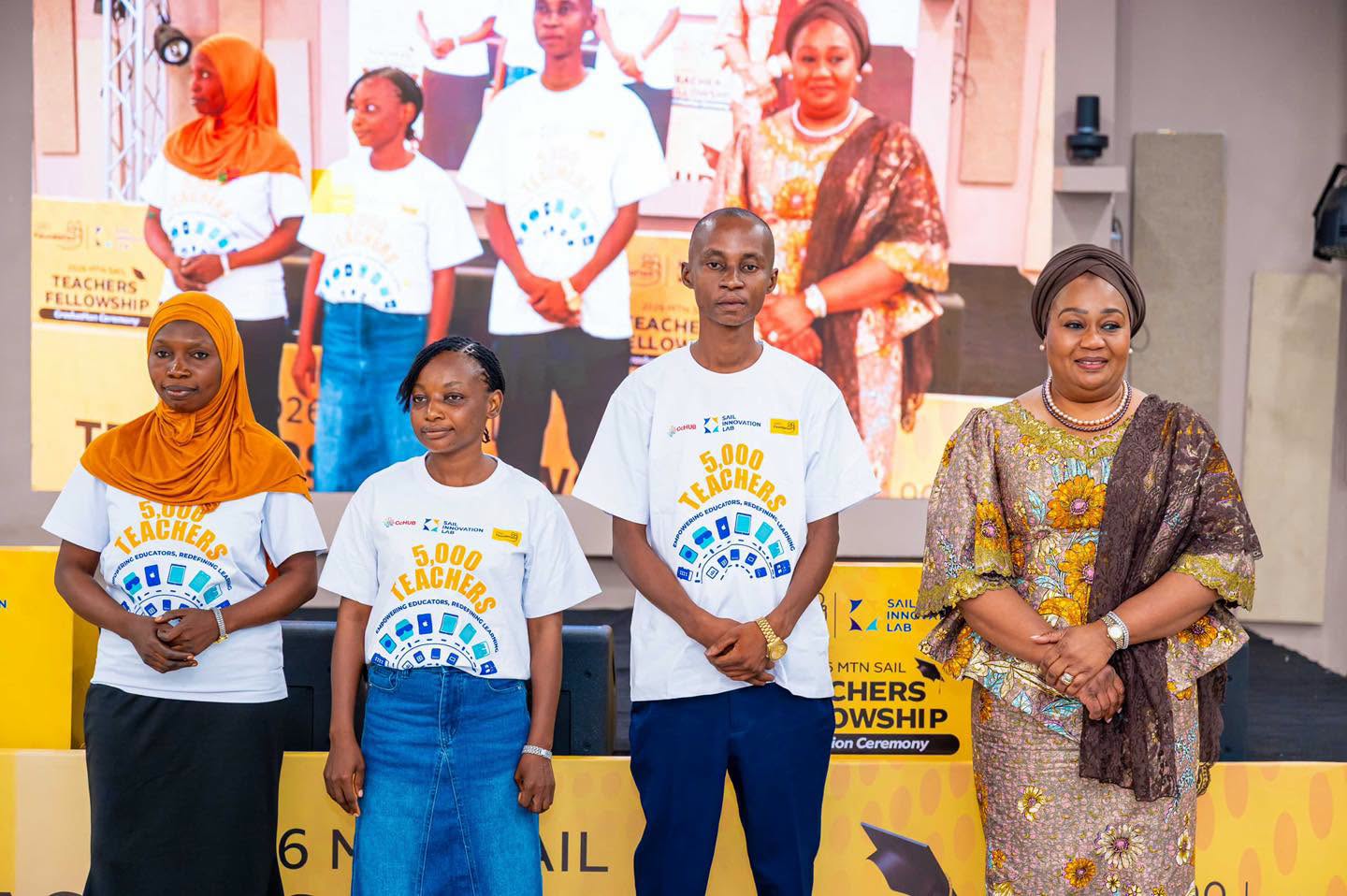
The SAIL Empowerment Foundation and the MTN Foundation have trained 5,000 Nigerian public-school teachers in Inquiry-Based Learning and AI-assisted teaching under the 2nd Cohort of the MTN-SAIL Teachers’ Fellowship. Of these, 500 teachers selected for Phase 2 graduated at a ceremony held on Thursday at the MTN Roof-Top Event Hall, Falomo, Ikoyi, Lagos. 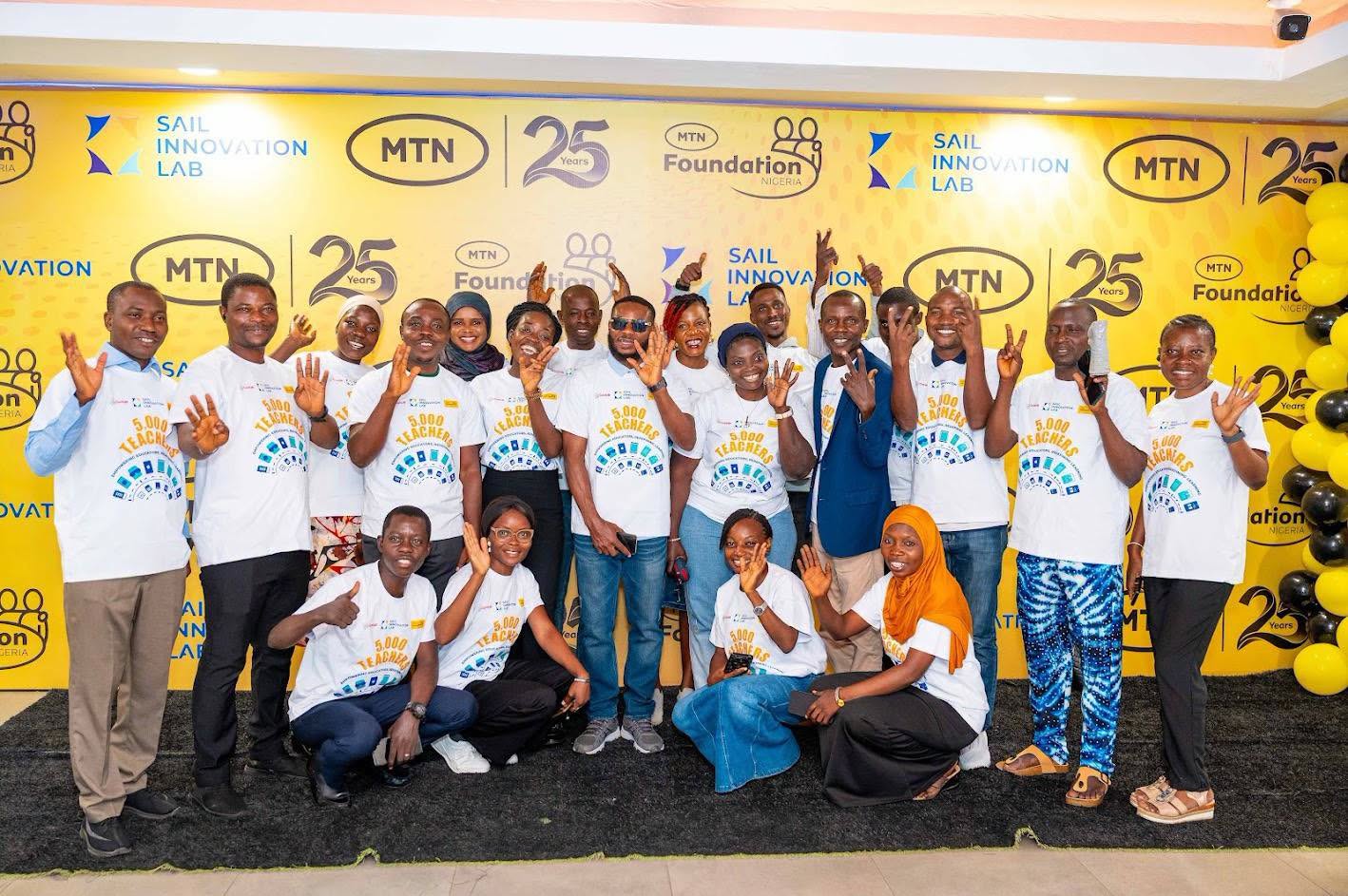 This cohort is the first to include a formal artificial intelligence component, with Microsoft contributing the curriculum through the MTN Foundation. The graduating teachers are among the first public school educators in Nigeria formally trained in responsible AI-assisted teaching. Valedictorians attended the ceremony in person from states across the federation, while the rest of the graduating class joined online from all 36 states and the Federal Capital Territory. The ceremony marked another milestone in the Foundation’s work to strengthen Nigeria’s education system through teacher development. 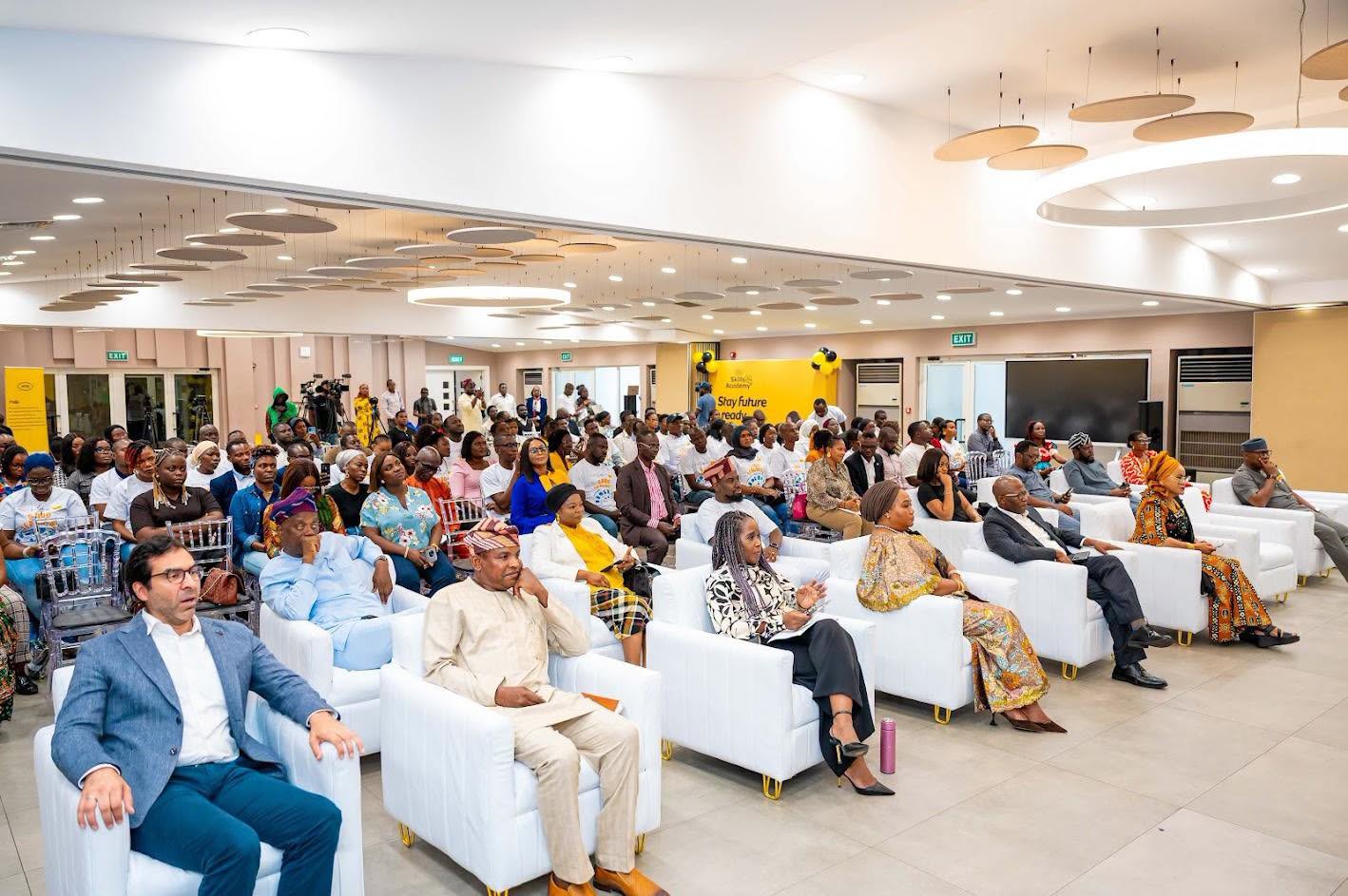 Delivering the keynote address, Co-Founder of SAIL Empowerment Foundation, Mrs Feyisola Abiru, said the initiative was built on the conviction that the teacher remains the most critical link between education policy and the Nigerian child. 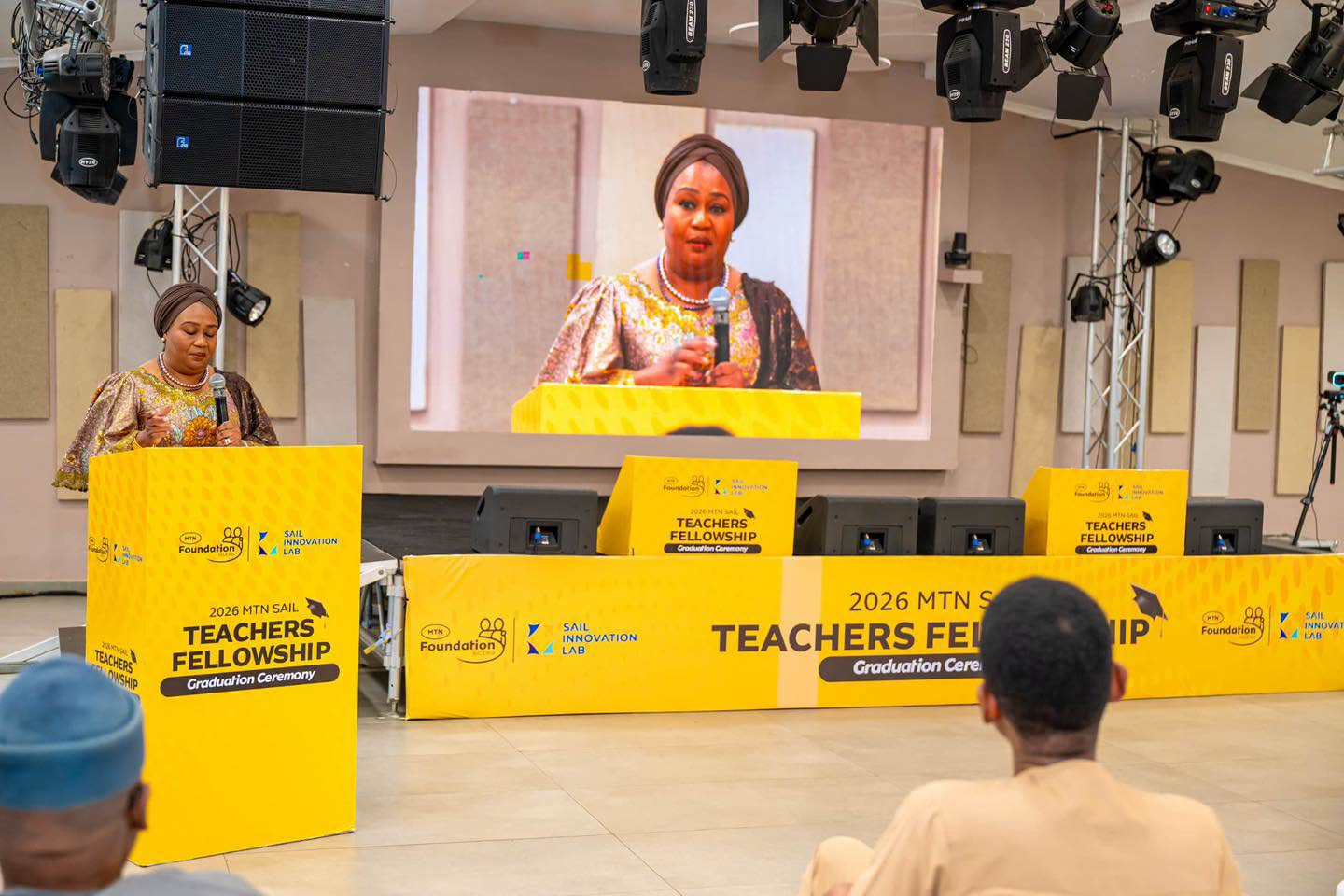 She said the Fellowship, which began in 2022, has now trained more than 10,000 Nigerian public school teachers across all 36 states and the Federal Capital Territory. According to her, the current cohort was made up entirely of public school teachers, reflecting SAIL’s deliberate focus on the education system that serves the majority of Nigerian children. The teachers were drawn from communities where this kind of professional development is hardest to access. Abiru described teachers as “multipliers,” noting that if each of the 5,000 teachers trained in the current cohort reaches an average of 80 pupils a year, the programme could indirectly impact about 400,000 children in a single year. She urged the graduands to go beyond collecting certificates and apply their knowledge in the classroom, train other teachers, and remain connected to the SAIL Alumni Network. Three outstanding graduands were recognised for exceptional commitment and classroom application of the training. Each received a new laptop and laptop bag from the SAIL Empowerment Foundation to support continued learning and teaching.  Abiru also announced plans to establish a permanent SAIL Alumni Network, alongside the launch of the “SAIL: Where Are You Now?” reconnection campaign and the inaugural SAIL Founders’ Day and Alumni Celebration scheduled for December. She added that SAIL’s evolving institutional structure, including an independent Board of Trustees, is designed to ensure the Foundation remains sustainable and accountable beyond its founders. The Foundation also announced the SAIL Innovation Lab and Sport Centre, currently under construction in Orimedu, Ibeju-Lekki. The facility will include a dedicated Teachers’ Lounge. Executive Director of the MTN Foundation, Mrs Odunayo Sanya, reaffirmed the MTN Foundation’s commitment to the Teachers’ Fellowship, noting the impact the programme has made. She said the primary goal of the training is to improve the quality of primary and secondary education in Nigeria, adding that Inquiry-Based Learning methods have made lessons more participatory and improved learning outcomes. 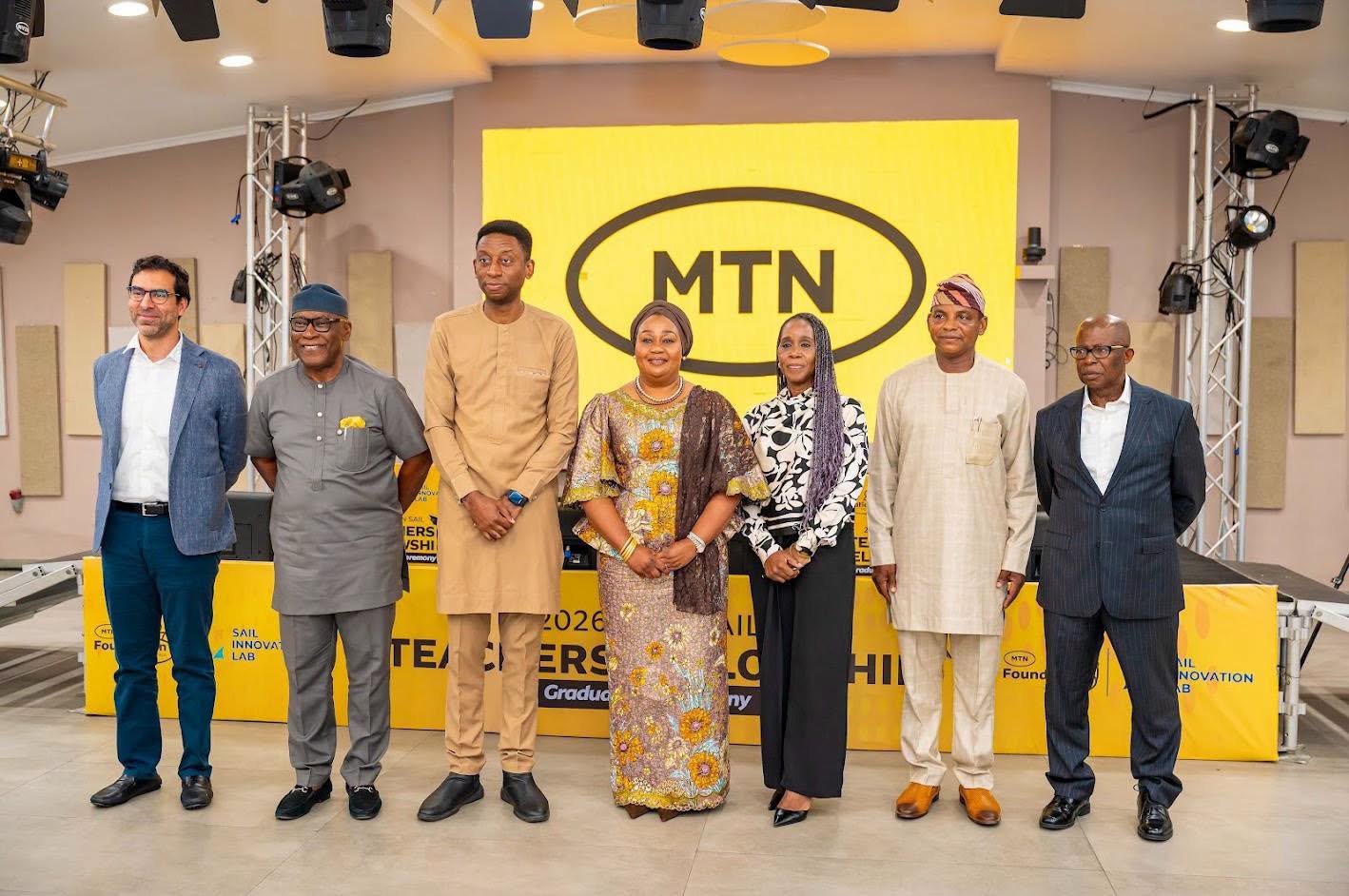
“This Is a Worthy Legacy” — GTBank Co-Founder Fola Adeola Commends Abiru, Wife During Visit to SAIL
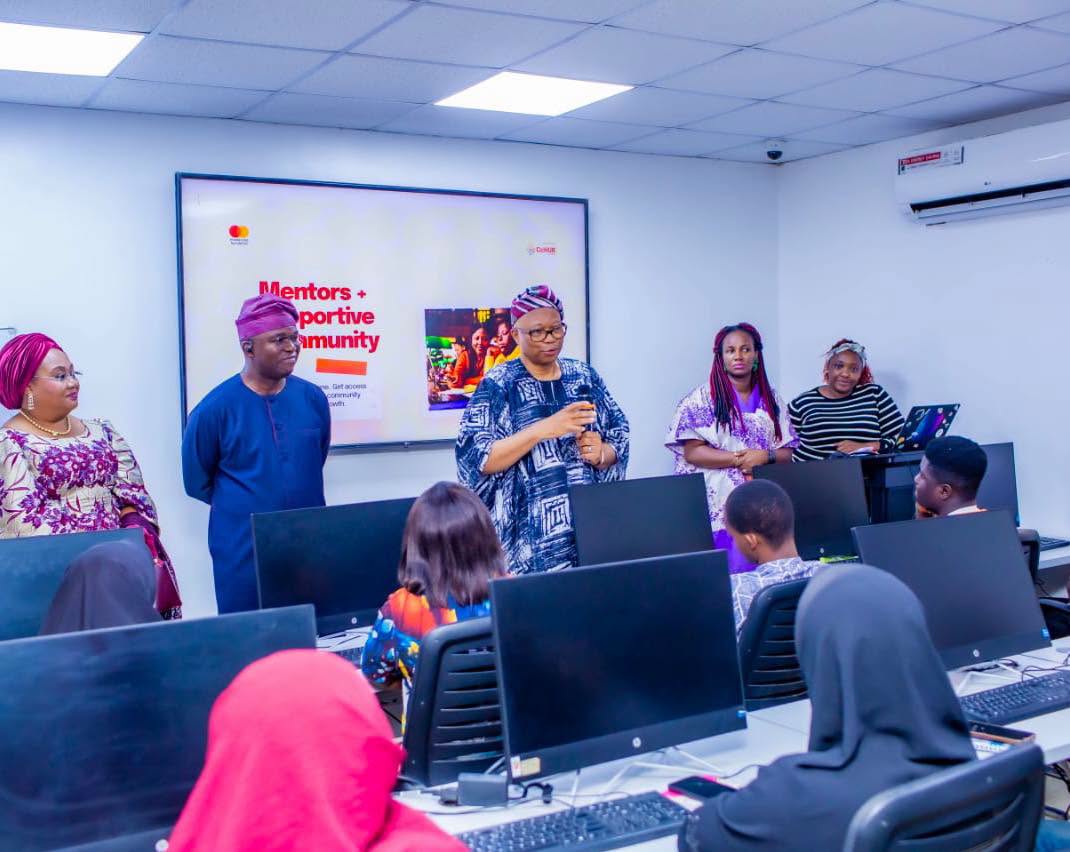
The co-founder of Guaranty Trust Bank, Mr. Fola Adeola, has commended Senator Mukhail Adetokunbo Abiru, FCA, and his wife, Mrs. Feyisola Abiru, for investing in the future of young Nigerians through the SAIL Empowerment Foundation, describing the initiative as a “worthy legacy” built on service, selflessness and a commitment to humanity. 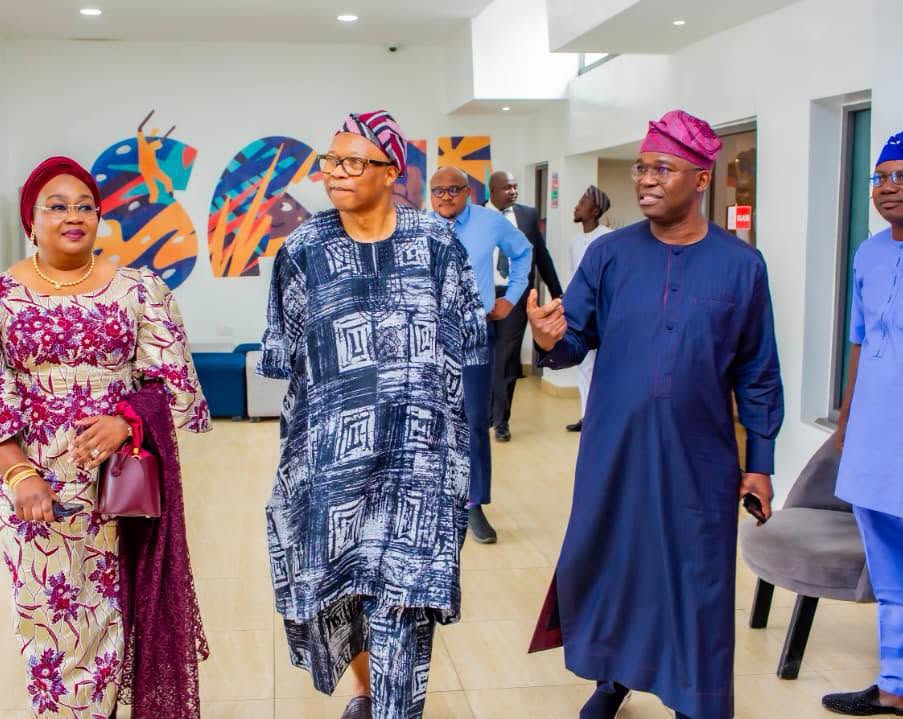 Adeola gave the commendation on Wednesday during a visit to the SAIL Innovation Lab in Ikorodu, where he inspected the facility and interacted with young beneficiaries of its various programmes. 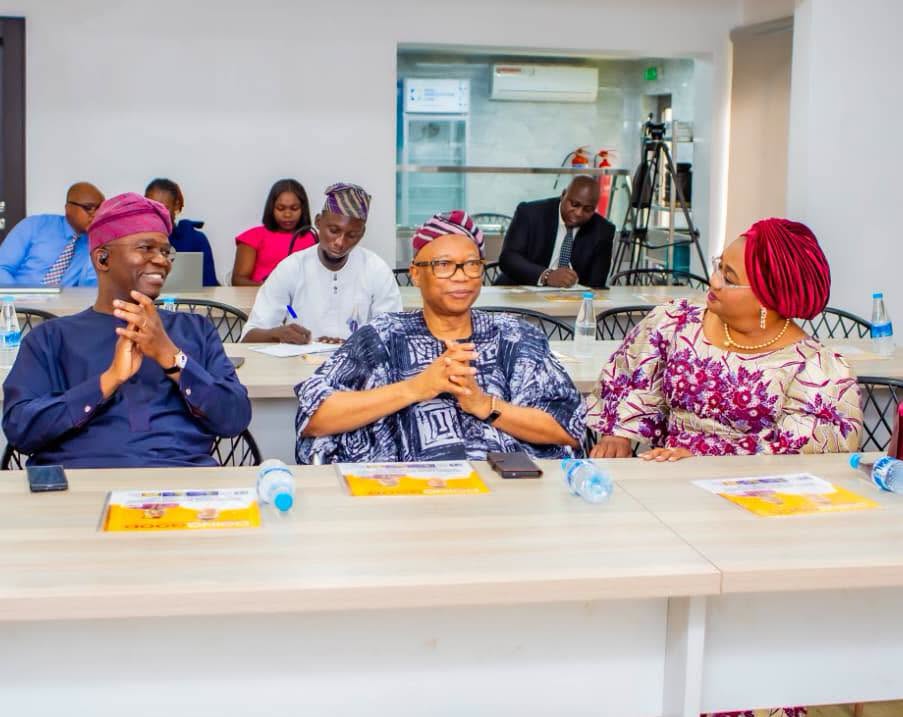 Describing his visit as worthwhile, the renowned banker and philanthropist said the decision by the Abirus to commit their resources to empowering people outside their immediate family demonstrated a rare understanding of what it means to leave a lasting legacy. 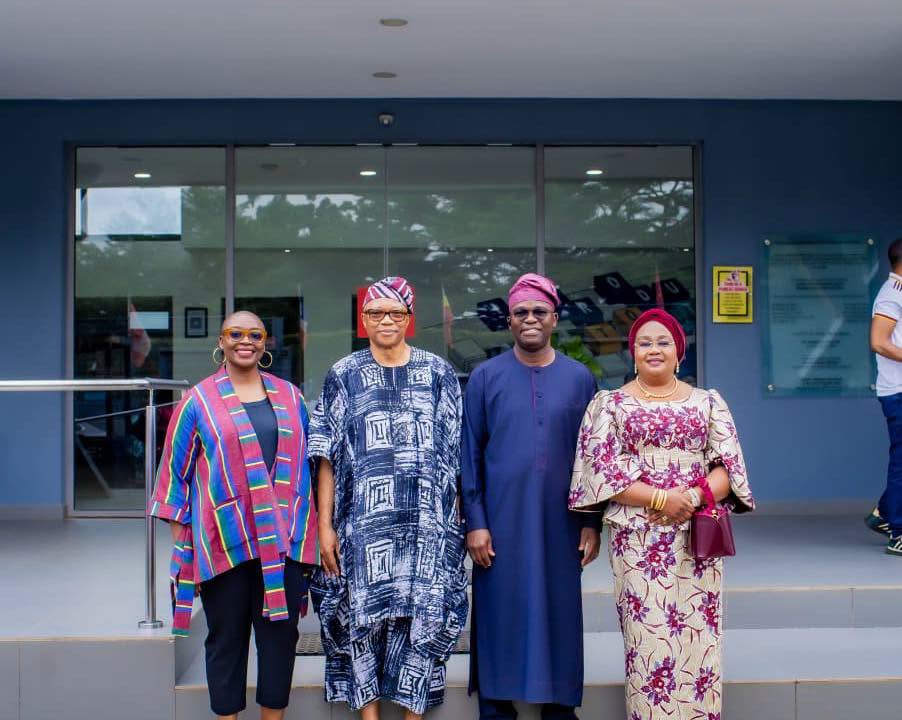 “Whenever we decide to commit to causes bigger than ourselves, we are building a legacy. What you are doing is for children whose parents you may not even know. For society to survive, we must care for others, particularly the less privileged,” Adeola said.
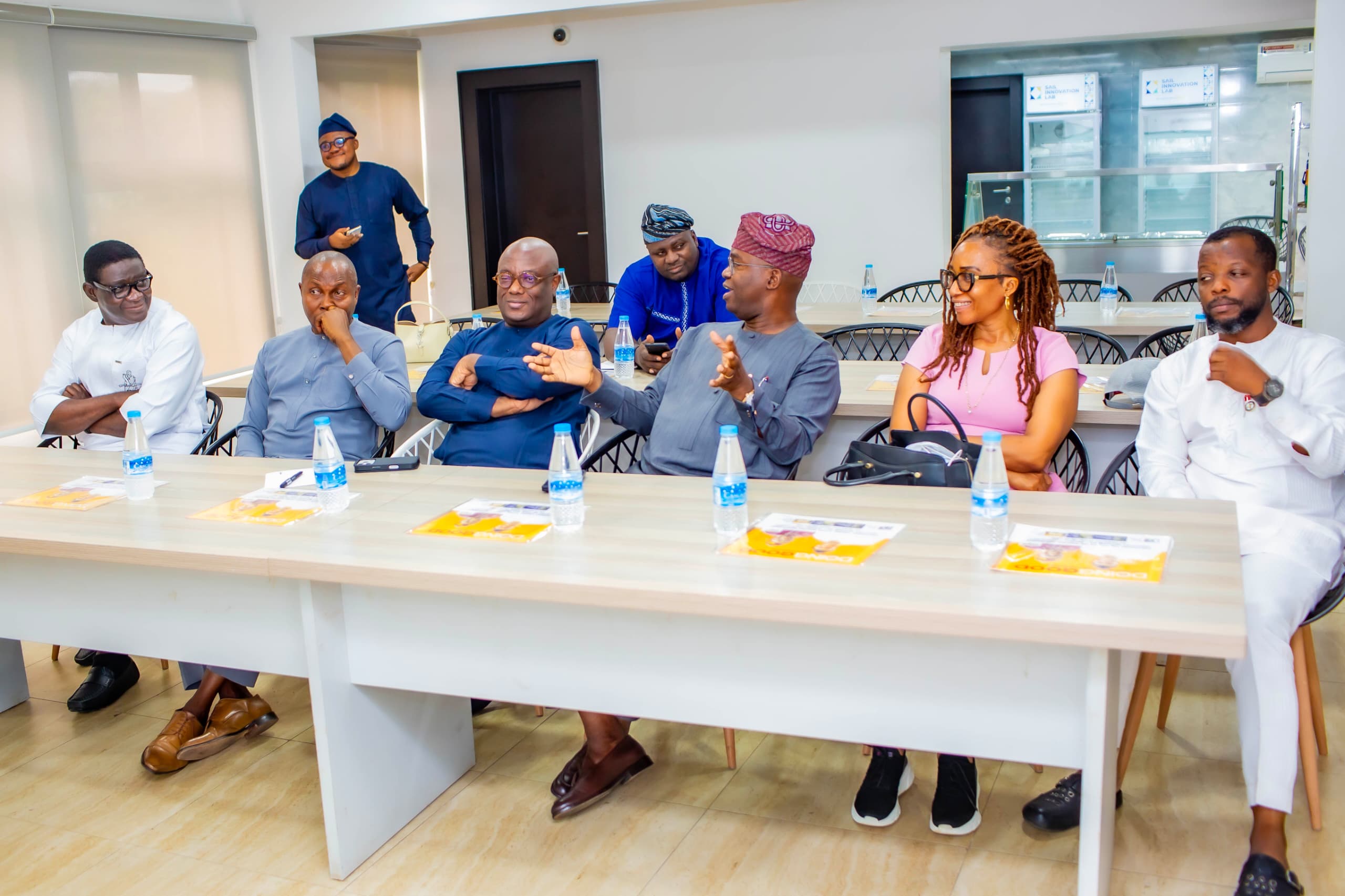
Hon. Babajimi Benson Visits SAIL Innovation Lab, Hails Senator Abiru’s Foresight
The member representing Ikorodu Federal Constituency in the House of Representatives, Hon. Babajimi Adegoke Benson, has described the SAIL Innovation Lab as a game-changing intervention capable of taking vulnerable youths off the streets, equipping them with digital skills and connecting them to employment opportunities in the global technology market. 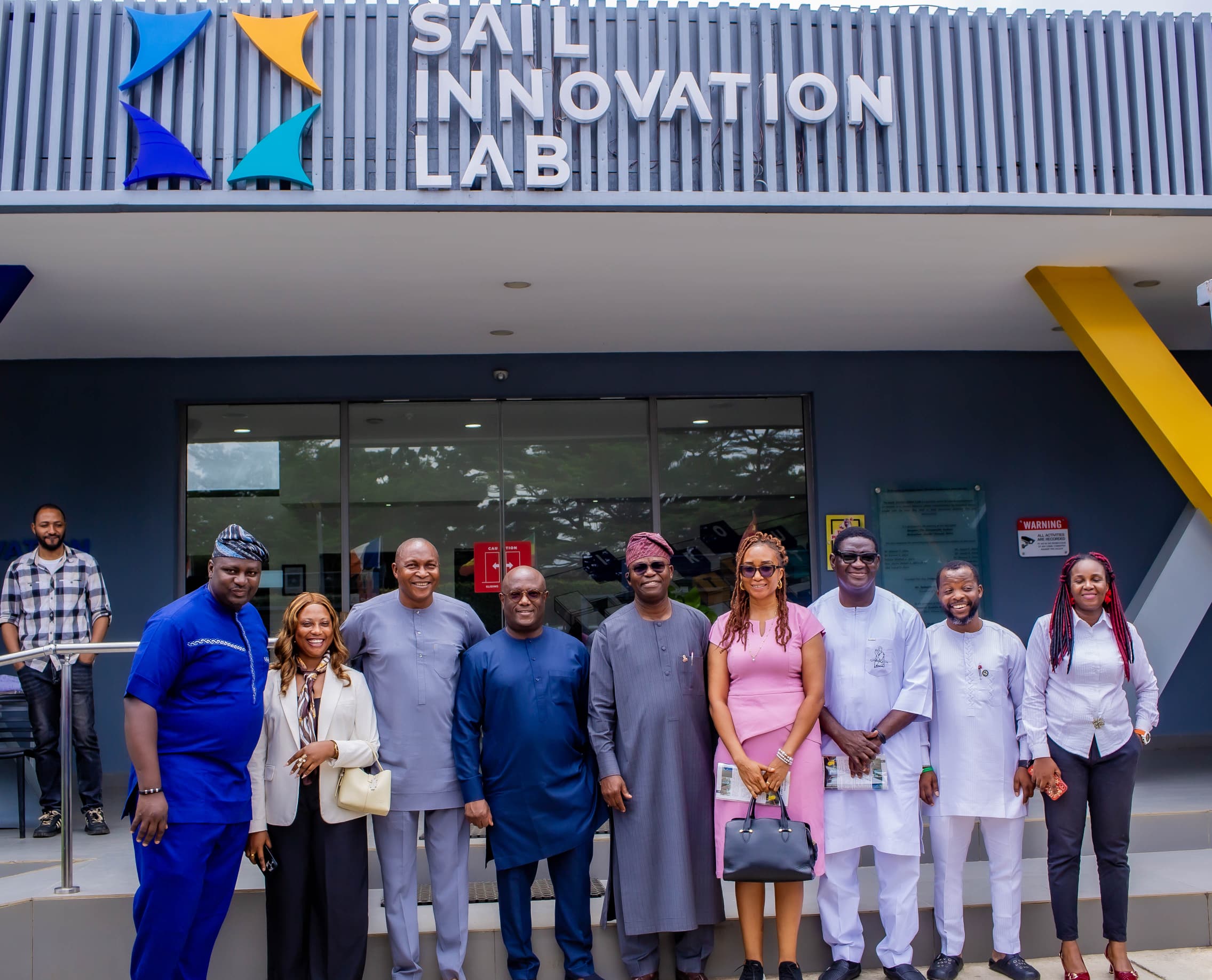 Benson made the assessment on Tuesday during a visit to the iconic SAIL Innovation Lab in Ikorodu, where he commended Senator Mukhail Adetokunbo Abiru, FCA, and his wife, Mrs. Feyisola Abiru, for establishing the hub as a free platform for digital skills development, innovation and youth empowerment. “You train people and give them jobs. You take vulnerable people off the streets and give them an opportunity to become productive members of society,” Benson commended SAIL founders. The lawmaker described the initiative as “beyond foresight,” stressing that its greatest value lies in preparing young people for opportunities in the rapidly expanding global digital economy. Speaking further, Hon. Benson particularly identified Business Process Outsourcing (BPO) as a major opportunity for Nigerian youths, noting that Nigeria has the talent and population to capture a significant share of the estimated $10 billion global market but is currently losing opportunities to countries such as Kenya and Ghana. “BPO is a huge opportunity. Nigerians are out of the market, while opportunities are going to Kenya and Ghana. SAIL will help cure that by plugging our young people into the market,” he said. 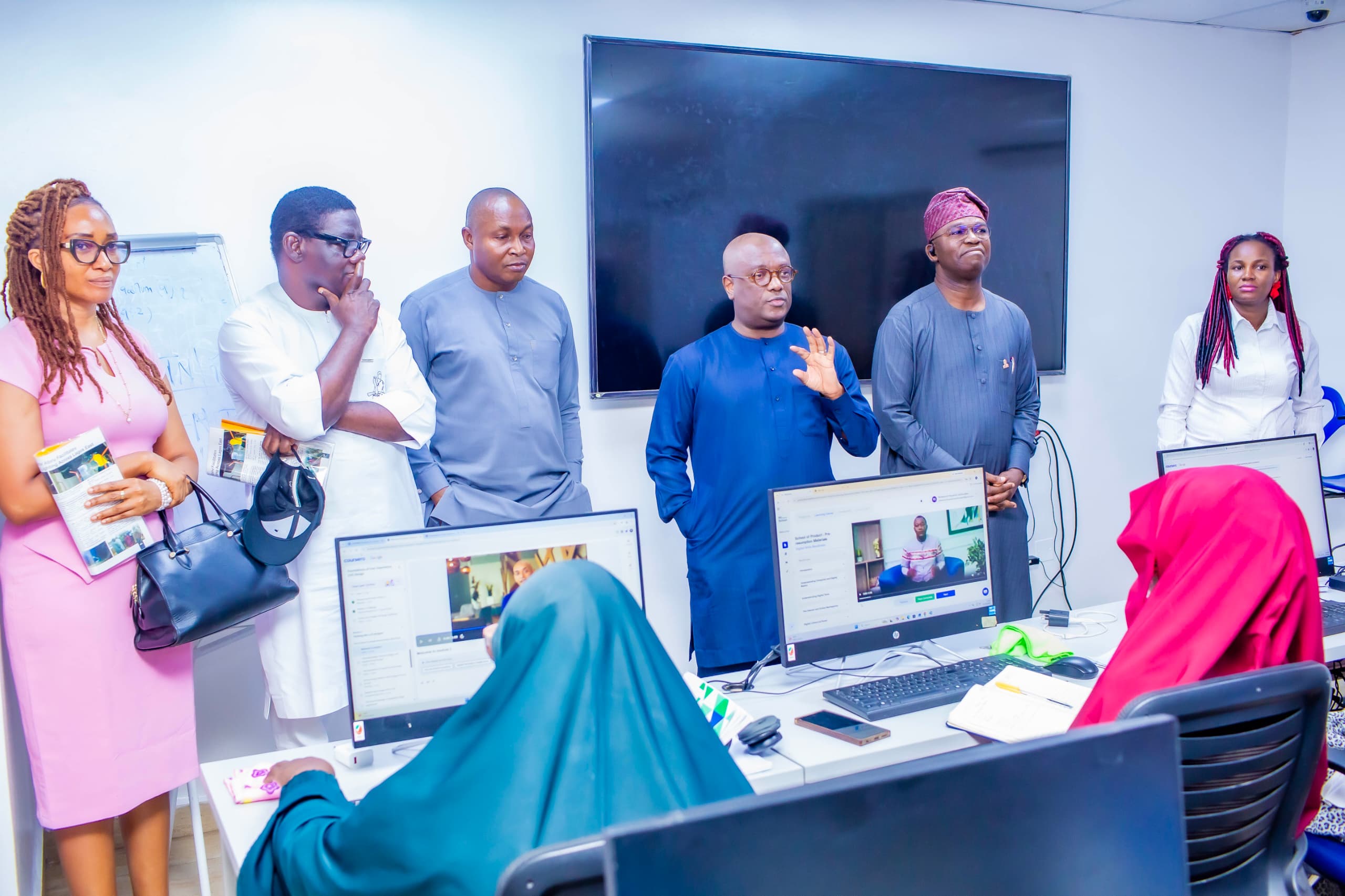 He also noted that his visit to SAIL had provided fresh inspiration ahead of his planned engagement with young people, particularly on the opportunities available to them in digital, technology and innovation. In his remarks, Senator Abiru expressed appreciation to Hon. Benson and his team, including the Mayor of Ikorodu, Mr. Muyideen Sanwoola; Chief Medical Director, Imota General Hospital, Dr. Adenike Omosu; and Hon. Toyin Bolowotan, for visiting the facility. Abiru reaffirmed his commitment to building a future driven by innovation and inclusive opportunities, stressing the importance of equipping young people with the skills required to compete and thrive in the global digital economy. He explained that SAIL was established to create practical pathways for young Nigerians to acquire relevant digital, tech and innovation skills, access employment opportunities and participate meaningfully in the technology-driven economy. The visit highlighted the growing potential of SAIL as a strategic platform for youth empowerment, digital skills development and job creation, positioning Ikorodu as an emerging hub for technology and innovation.
Senator Tokunbo Abiru Inspects Facilitated Alternative School for Girls in Igbogbo
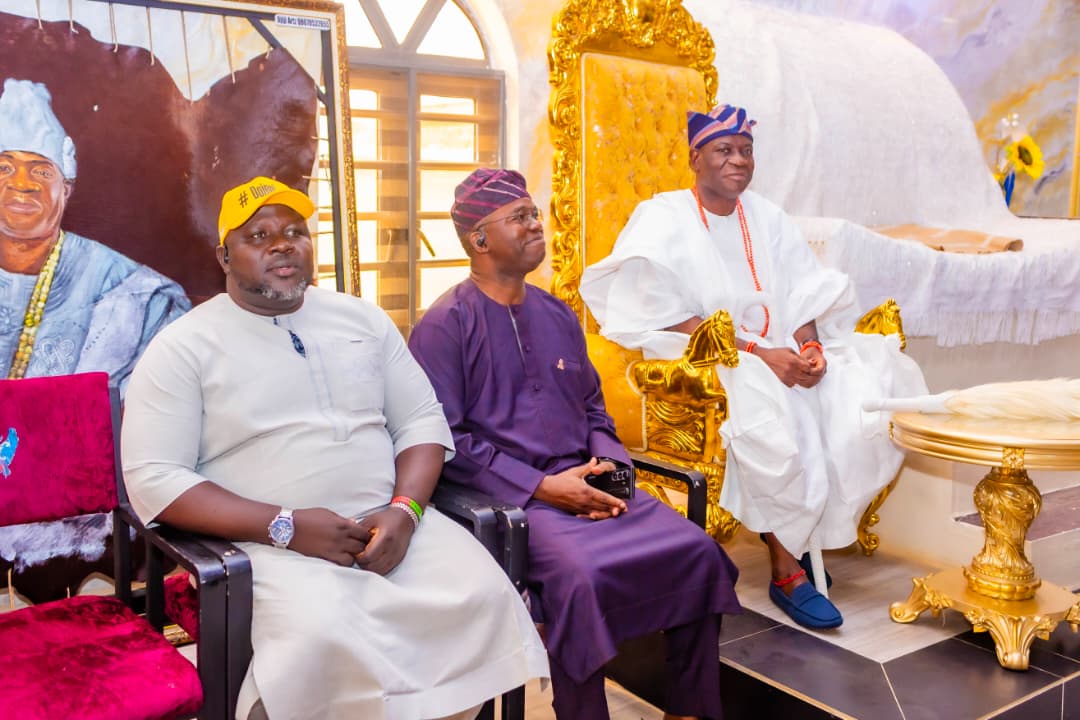
The Senator representing Lagos East Senatorial District, Senator Mukhail Adetokunbo Abiru, FCA, on Wednesday inspected the ongoing construction of the Alternative High School for Girls in Igbogbo-Baiyeku LCDA. The Alternative High School for Girls is a second-chance education initiative championed by Nigeria's First Lady, Her Excellency, Senator Oluremi Tinubu, CON, OON, under her Renewed Hope Initiative to support girls and young women whose education was interrupted by early pregnancy, economic hardship, or other socio-economic challenges. In addition to regular academic classrooms and science laboratories, the schools feature vocational training such as garment-making, cosmetology, hairdressing, catering, and ICT facilities. During the inspection of the Alternative High School, Abiru commended Nigeria’s First Lady, for her thoughtfulness for considering Igbogbo-Baiyeku for the second-chance education project, describing it as an important intervention for girls. He also appreciated the Lagos State Governor, His Excellency, Mr. Babajide Olusola Sanwo-Olu, for providing the land for the project, the Minister of Education, Dr. Tunji Alausa, and the Chairman of Igbogbo-Baiyeku Local Government, Hon. Prince Hammed Olalekan Aroyewun, for their support and commitment. The lawmaker equally acknowledged the fatherly guidance and support of the Adeboruwa of Igbogbo Kingdom, His Royal Majesty Oba Semiudeen Orimadegun Kasali. Abiru urged residents to take ownership of the project, protect the facility and cooperate with the contractor to ensure its timely and quality completion. He also charged the contractor to deliver a durable facility that would serve its intended purpose.
I Thought I Was in Silicon Valley’ — Abike Dabiri-Erewa Hails SAIL Innovation Lab, Applauds Senator Abiru’s Youth Empowerment Drive
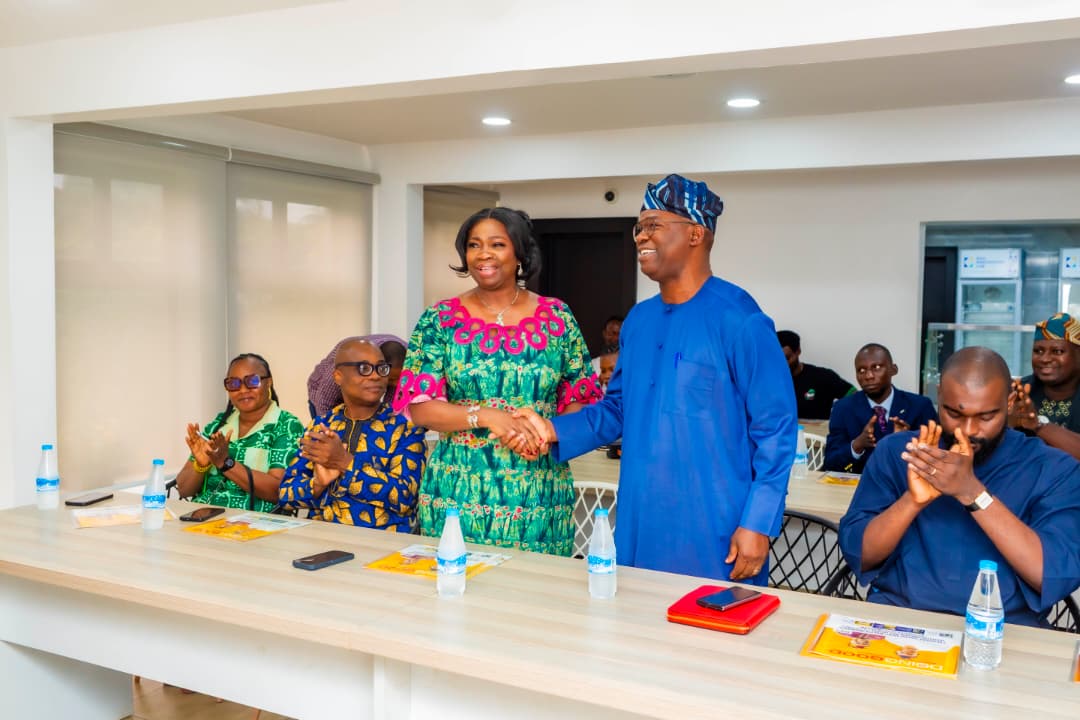
The Chief Executive Officer of the Nigerians in Diaspora Commission (NiDCOM), Hon. (Mrs) Abike Dabiri-Erewa, has commended the founders of SAIL Empowerment Foundation, Senator Mukhail Adetokunbo Abiru, FCA, and his wife, Mrs Feyisola Abiru, for establishing the SAIL Innovation Lab, which has empowered hundreds of young people with digital and technology skills, describing the facility as a glimpse into Nigeria’s future. 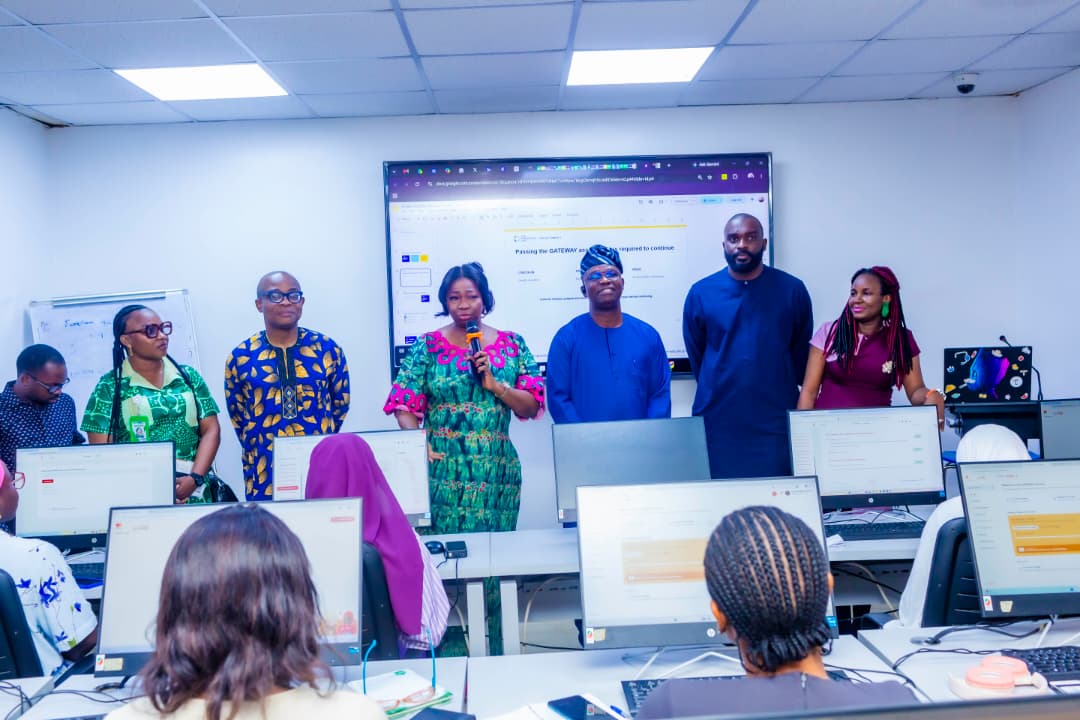 Dabiri-Erewa made the remarks during a visit to the iconic SAIL Innovation Lab in Ikorodu on Monday. Expressing her admiration for what she saw at the facility, the NiDCOM CEO said the environment and innovation taking place at SAIL reminded her of Silicon Valley, the global hub of technology and innovation. “I thought I was in Silicon Valley. This is the future. You must get out there to compete,” the NiDCOM boss charged participants at the facility. She described Senator Abiru’s intervention as a forward-looking human capital investment whose full significance would become increasingly evident in the years ahead. 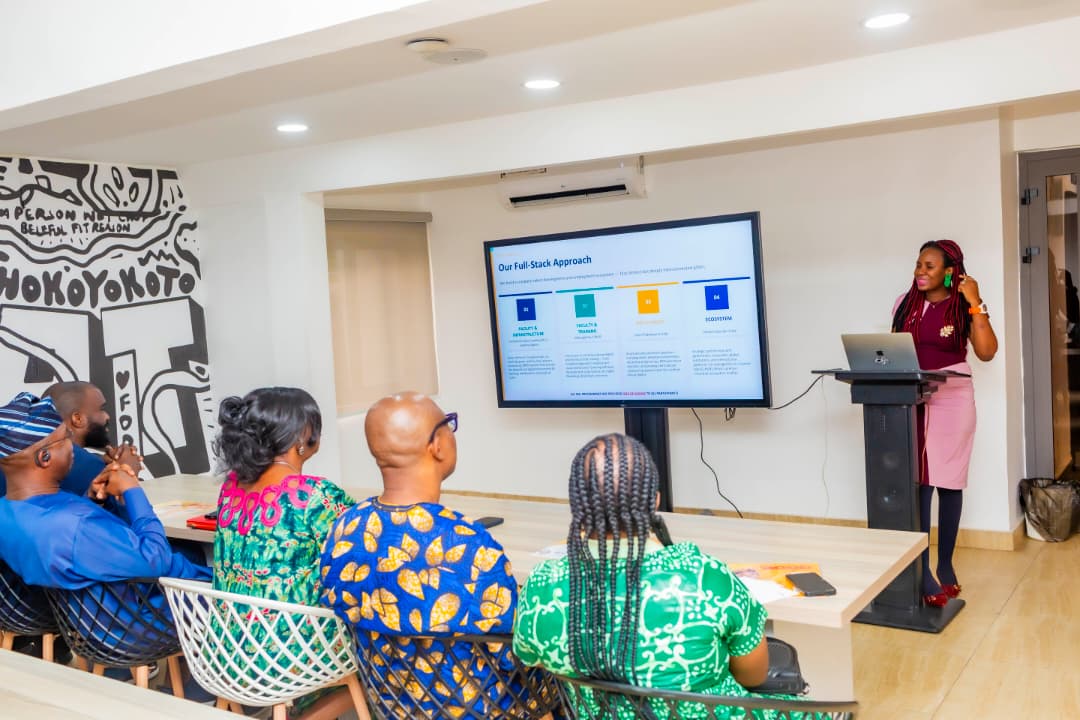 “What Senator Abiru is doing won’t be much appreciated until the near future,” she said, adding that the initiative demonstrated his capacity to think ahead and prepare young people for the demands of a digital and technology-driven world. Dabiri-Erewa further praised Senator Abiru for deploying his endowment to create sustainable opportunities for young people through technology and digital skills. “You are a thinker. You are taking us into the future,” she told the Senator. She also expressed the readiness of NiDCOM to collaborate with the SAIL Innovation Lab and support initiatives that expand opportunities for Nigerian youths. “We will be glad to work with you,” she said. The NiDCOM CEO said the youth-focused interventions being implemented through Senator Abiru’s endowment aligned with the broader objectives of the Renewed Hope Agenda of President Bola Ahmed Tinubu, particularly in the areas of human capital development, digital skills acquisition and youth empowerment. “All your efforts in providing sustainable empowerment for young people through tech and digital skills, through your endowment, are well appreciated. They all align with the Renewed Hope Agenda of President Bola Ahmed Tinubu, GCFR. You are making us proud,” she said.
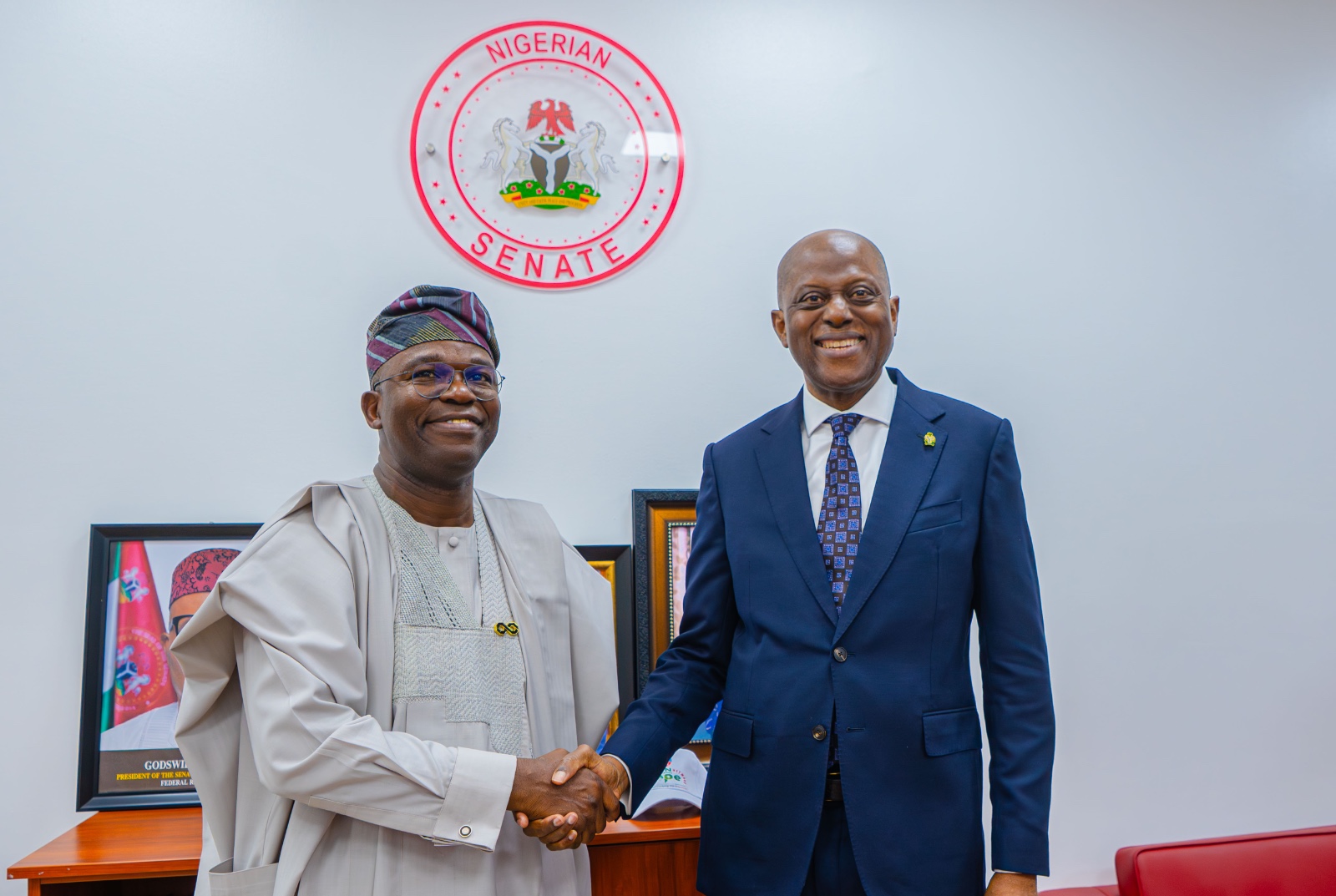
Senator Abiru-Led Committee Engages CBN Governor, Commends Economic Gains, Banking Reforms
The Senate Committee on Banking, Insurance and Other Financial Institutions has reaffirmed its commitment to strengthening legislative oversight of Nigeria's financial system, even as it commended the Central Bank of Nigeria (CBN) for notable progress in stabilising the economy amid global uncertainties. Chairman of the Committee, Senator Mukhail Adetokunbo Abiru, FCA, FCIB, stated this on Tuesday during the Committee's statutory engagement with the Governor of the Central Bank of Nigeria on Wednesday in Abuja. The meeting, convened in accordance with Sections 8(4)(a) and 8(5) of the CBN Act, 2007, provided an opportunity for the apex bank to brief lawmakers on developments in monetary policy, the financial system and other issues relating to its statutory mandate. Senator Abiru acknowledged that Nigeria had recorded encouraging improvements in macroeconomic stability since the Committee's last engagement with the CBN in December 2025. He noted that inflation had moderated significantly in the early part of the year, reaching 15.06 per cent in February 2026, prompting the Monetary Policy Committee (MPC) to reduce the Monetary Policy Rate (MPR) from 27 per cent to 26.5 per cent. According to him, the easing of inflation reflected the positive impact of the monetary tightening measures implemented over the preceding eighteen months. The Senate Committee Chairman also commended the CBN for sustaining relative stability in the foreign exchange market through improved market transparency, stronger external reserve buffers and enhanced price discovery mechanisms. He noted that the convergence between official and parallel market exchange rates had reduced distortions, improved business planning and strengthened investor confidence. Abiru further applauded the apex bank's efforts in enhancing financial sector resilience through stricter prudential supervision, expansion of digital financial services, improvements in payment systems and the successful implementation of the banking sector recapitalisation programme. He, however, stressed that recapitalisation should not merely result in stronger balance sheets for banks but must translate into increased lending to productive sectors of the economy. "Ultimately, the true measure of a stronger banking system lies not merely in larger balance sheets, but in its capacity to mobilise savings efficiently and channel affordable credit to productive sectors such as agriculture, manufacturing, infrastructure, small and medium enterprises and technology," he said. The Committee also commended the CBN for strengthening regulatory oversight, particularly its recent supervisory actions affecting 46 Microfinance Banks, describing the measures as necessary to safeguard the integrity and stability of the financial system. While expressing support for the apex bank's exposure drafts on the revised regulatory framework for Financial Holding Companies and ring-fencing of closely linked entities, Abiru urged the CBN to strike a balance between robust prudential regulation and operational efficiency. He said regulatory reforms should strengthen resilience without imposing unnecessary compliance burdens that could undermine the competitiveness of Nigerian financial institutions. The Committee also subjected the CBN's 2025 Audited Financial Statements to legislative scrutiny, acknowledging the Bank's return to profitability at the Group level, regularisation of historical Ways and Means advances and securitisation of legacy obligations. Nevertheless, lawmakers requested further clarification on several issues, including the structure and implications of the securitisation arrangements, large expenditure items, foreign securities lending transactions, the rising cost of liquidity management and the treatment of statutory remittances to the Federal Government. In his remarks, the CBN Governor, Dr. Olayemi Cardoso, said coordinated monetary and fiscal reforms had strengthened macroeconomic stability despite persistent global risks arising from geopolitical tensions, trade fragmentation and supply chain disruptions. The CBN Governor said, “When I last appeared before this distinguished committee in December 2025, I reported encouraging progress in inflation moderation, foreign exchange market stabilisation, external reserves accumulation, reform of market infrastructure and significant advances in the banking sector recapitalisation programme. “I am pleased to report that the first half of 2026 witnessed the consolidation of many of those gains”. Stressing that country’s external reserves stood at $52.73 billion on July 9, 2026, compared with $48.88 billion recorded in January.
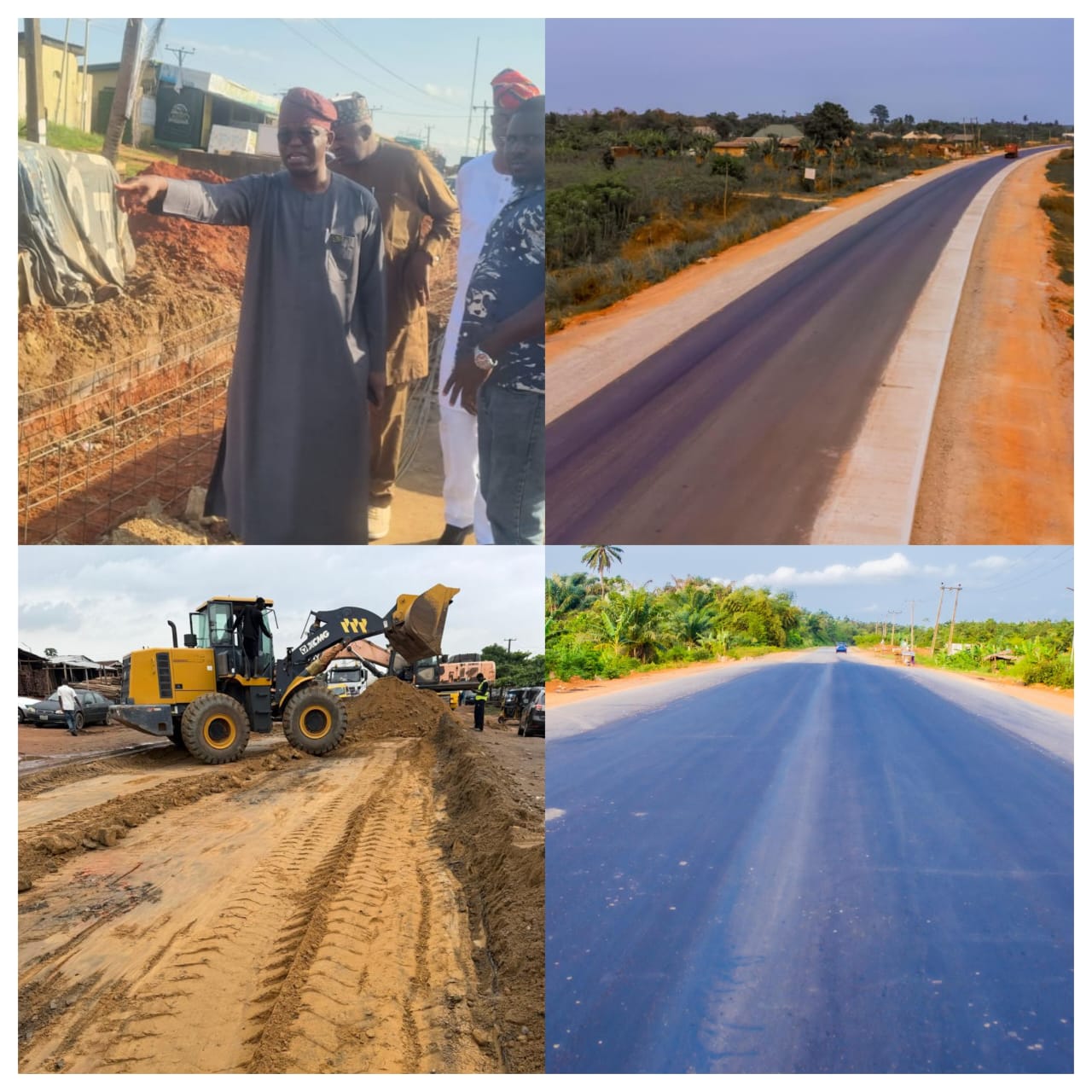
Appreciable Progress Recorded on 34km Ikorodu-Itoikin Road, 4.5km Itoikin-Ijebu-Ode Road, As Senator Abiru Inspects Ongoing Reconstruction
Senator representing Lagos East Senatorial District, Senator Mukhail Adetokunbo Abiru, FCA, on Saturday conducted an inspection of the ongoing reconstruction of the 34-kilometre Ikorodu-Itoikin Road, and the 4.5-kilometre Itoikin-Ijebu Ode Road, which has been rehabilitated and is now motorable, with finishing works nearing completion. During the inspection, Senator Abiru assessed the progress of the project and engaged with officials on site to ensure that construction continues according to schedule. He reaffirmed his commitment to ensuring the completion of the critical road infrastructure. The lawmaker disclosed that significant progress has been made on the road, noting that from the Sabo Roundabout Junction towards Itoikin, reconstruction has advanced to almost seven kilometres, while about 4.5 kilometres have been completed from the Itoikin axis towards Ikorodu. He added that work is actively progressing on the remaining sections of the road. Speaking after the inspection, the senator stressed the strategic importance of the road projects to the socio-economic development of Lagos East, noting that improved road infrastructure would significantly enhance quality of life of the people, boost trade and stimulate economic activities across the corridor. " I am encouraged by the progress recorded so far and will continue to engage and closely monitor these projects to ensure they are completed for the benefit of our people," he said. The Ikorodu-Itoikin Road, a major arterial route linking several communities in Ikorodu Division and adjoining parts of Epe Division, has for years been a source of concern to residents and motorists due to its deplorable condition. Senator Abiru has consistently championed the rehabilitation of the road through sustained engagements with the Federal Government, leading to the commencement of reconstruction works. Reiterating his commitment to delivering impactful infrastructure across the senatorial district, Senator Abiru assured constituents that he would continue to pursue interventions that improve connectivity, promote economic growth and enhance the quality of life of the people. "Our commitment to the sustainable development of Lagos East remains unwavering. We will continue to advocate for and monitor projects that will bring lasting benefits to our communities," the senator stated.
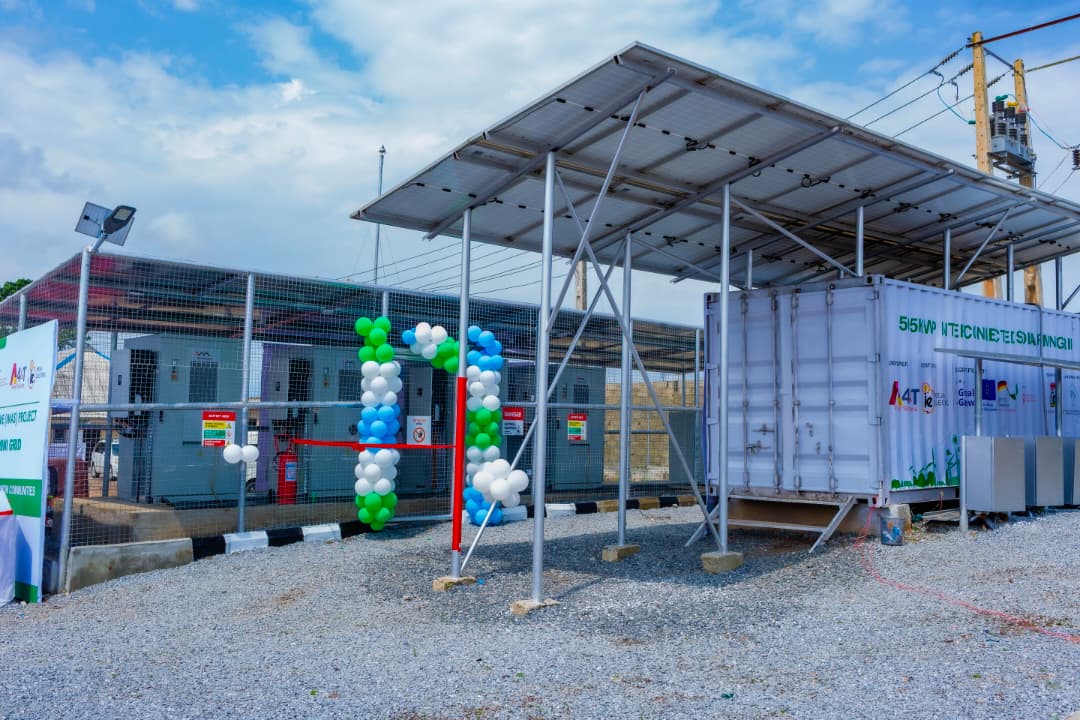
Senator Abiru-Facilitated Epe Mini-Grid Project Commissioned, 5MW Expansion Flags Off Lawmaker Hails Tinubu’s Power Sector Reforms
Senator representing Lagos East Senatorial District, Senator Mukhail Adetokunbo Abiru, has described the commissioning of the 505-kilowatt Interconnected Mini-Grid in Epe and the groundbreaking of its 5-megawatt expansion as a major milestone in the quest to address perennial electricity challenges in Epe Local Government Area. 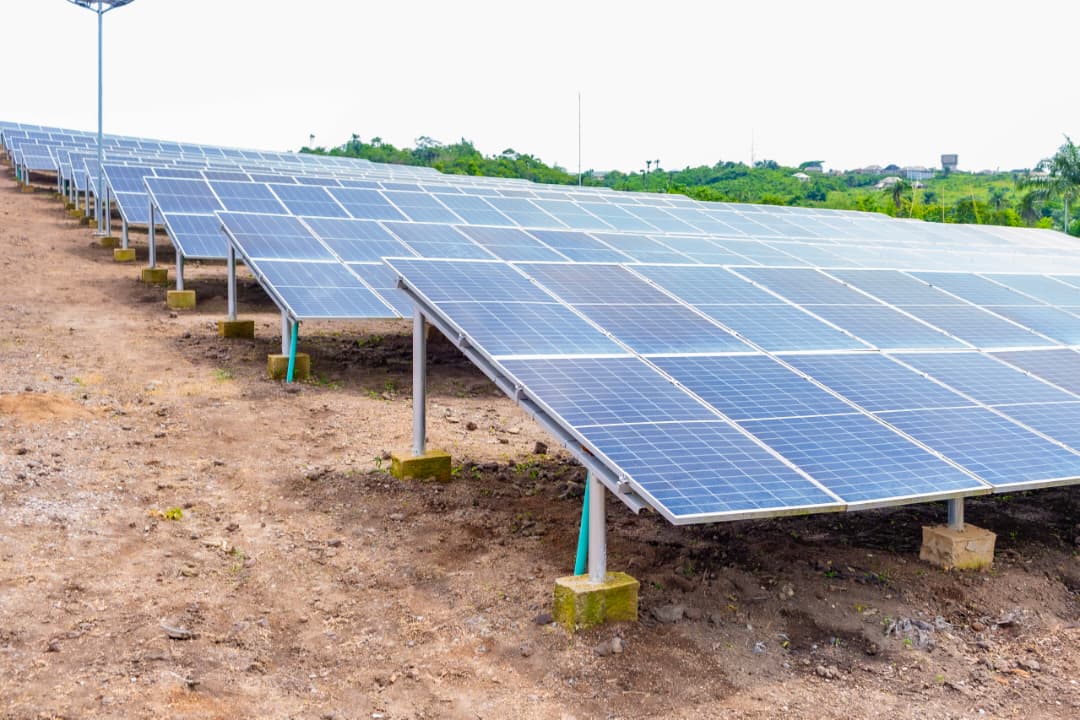 The project, facilitated by Senator Abiru in collaboration with the Rural Electrification Agency (REA), the European Union and the German Government through GIZ, was officially commissioned on Wednesday in Epe, Lagos State, reaffirming the lawmaker's commitment to attracting impactful infrastructure and development projects to communities across the senatorial district. Senator Abiru, who was represented at the event by a former Chief Whip of the Lagos State House of Assembly, Hon. Abdulateef Rotimi Abiru, noted that the successful delivery of the project marked the culmination of over four years of sustained advocacy, engagements and collaboration with relevant stakeholders to ensure that Epe benefited from the Interconnected Mini-Grid Acceleration Scheme (IMAS). 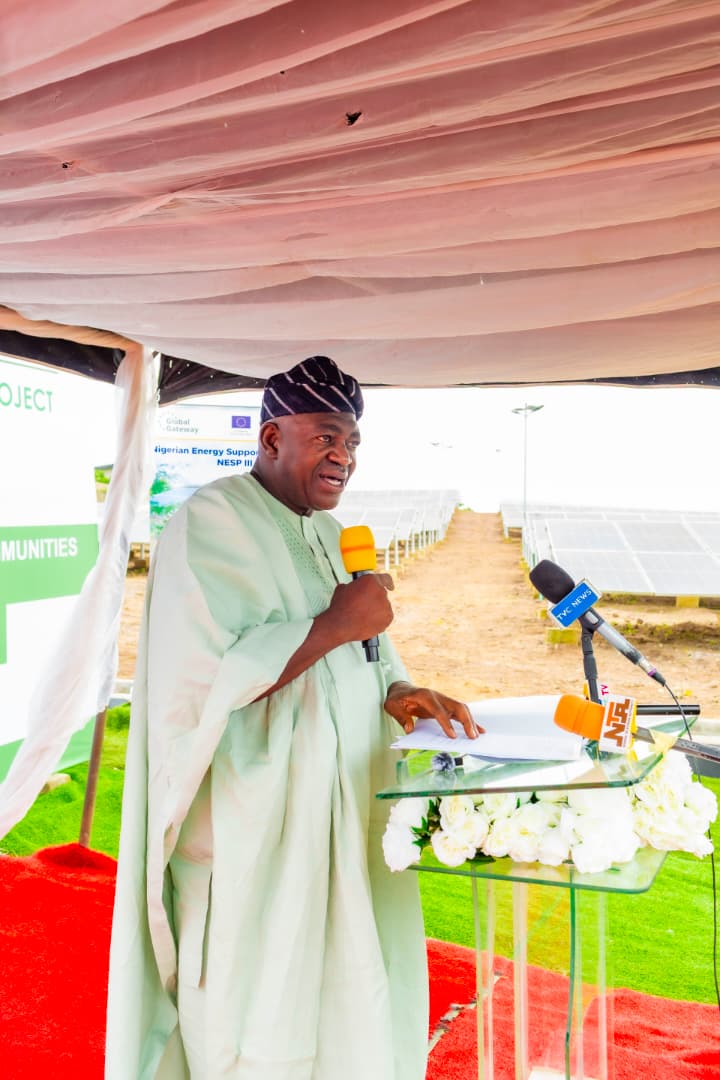 According to the senator, the project represents much more than an energy intervention, describing it as a catalyst for economic growth, job creation, enterprise development and improved living standards for residents. "This project did not happen by accident. It is the result of years of persistent engagement, advocacy and collaboration. Since the initiative commenced over four years ago, we remained committed to ensuring its successful delivery because we understood the transformative impact reliable electricity would have on our people and local economy," he stated. The Lagos East lawmaker explained that the commissioning of the 505kW mini-grid was only the first phase of a broader energy intervention, as the groundbreaking of the 5MW expansion project would significantly increase power supply capacity and support the growing economic activities within Epe Division. He noted that the larger project would benefit businesses, agro-processing, fish merchants, artisans, schools, healthcare facilities and thousands of small and medium-scale enterprises that have long struggled with inadequate electricity supply in Epe, and its environs. Abiru commended the Rural Electrification Agency, the European Union and GIZ for partnering to bring the project to Epe, describing the collaboration as a model for sustainable development. 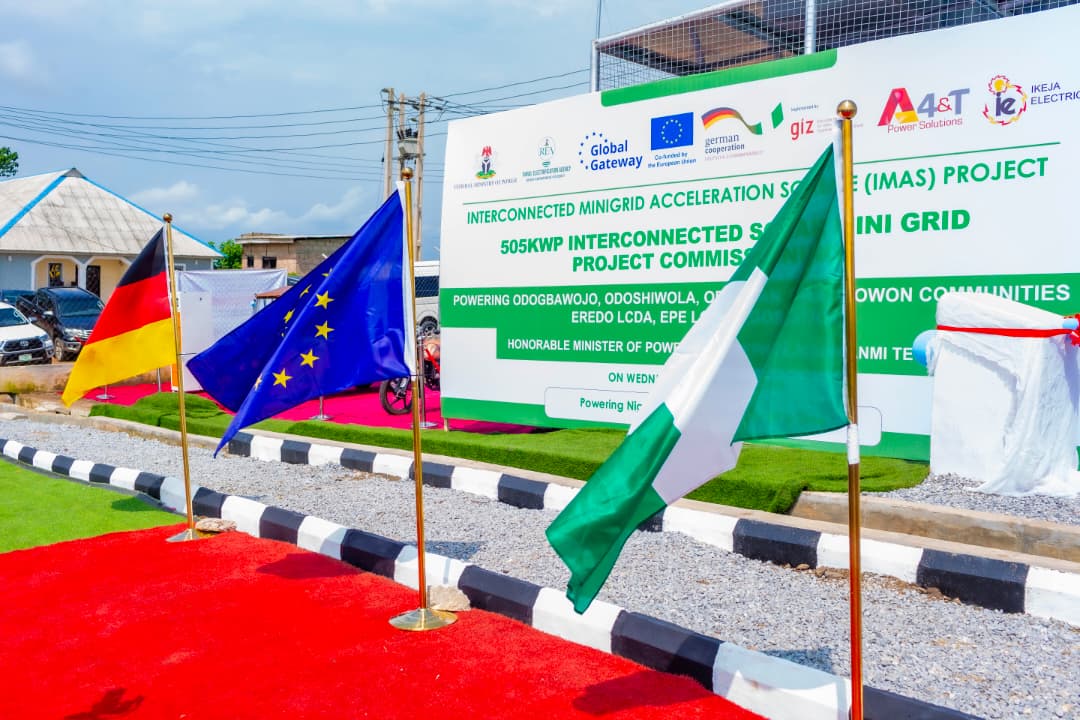 The senator also linked the success of the initiative to the infrastructure and economic reforms of President Bola Ahmed Tinubu's administration, noting that the Renewed Hope Agenda has created a more enabling environment for investments in critical sectors, including power. According to him, the Federal Government's commitment to expanding energy access, strengthening electricity infrastructure and supporting innovative energy solutions is already yielding tangible results across the country. "What we are witnessing today is a practical demonstration of how national policies can translate into real benefits for ordinary citizens. President Tinubu's reforms are empowering institutions and creating opportunities for communities to access critical infrastructure that supports economic growth and development," he said. The Chairman of the Senate Committee on Banking, Insurance and Other Financial Institutions reiterated his commitment to pursuing people-centred interventions that address the needs of constituents and unlock economic opportunities across Lagos East. Abiru also urged residents to protect public infrastructure and continue supporting policies and programmes that promote development, while calling on Nigerians to sustain their support for President Tinubu and the All Progressives Congress (APC). "The progress we are witnessing today is the product of purposeful leadership, strategic investments and continuity in governance. We must continue to support leaders and policies that are delivering measurable results and creating opportunities for our people," he stated. Dignitaries at the event included the Honourable Minister of Power, Mr. Joseph Olasunkanmi Tegbe; Director-General and Global Liaison for the Nigeria-China Strategic Partnership,; Managing Director/Chief Executive Officer of the Rural Electrification Agency, Dr. Abba Aliyu; Head of Section, Green and Digital Economy, European Union Delegation to Nigeria and ECOWAS, Ms. Inga Stefanowicz; Head of Development Cooperation, German Embassy, Ms. Karin Jansen; Cluster Coordinator, GIZ Nigeria and ECOWAS, Mr. Duke Benjamin; HRM Oba Maruffdeen Adelani Adeniyi, The Alagbajo of Odogbawojo Kingdom, HRM Oba Kolawole Ayodele Aliru, The Alade Uraka of Poka Kingdom, Chief Imam Soliu Ahmed, President, League of Imams and Alfas, Eredo LCDA, Alara-in-council and Hon. Lateef Adesanya, Vice-Chairman, Eredo LCDA.
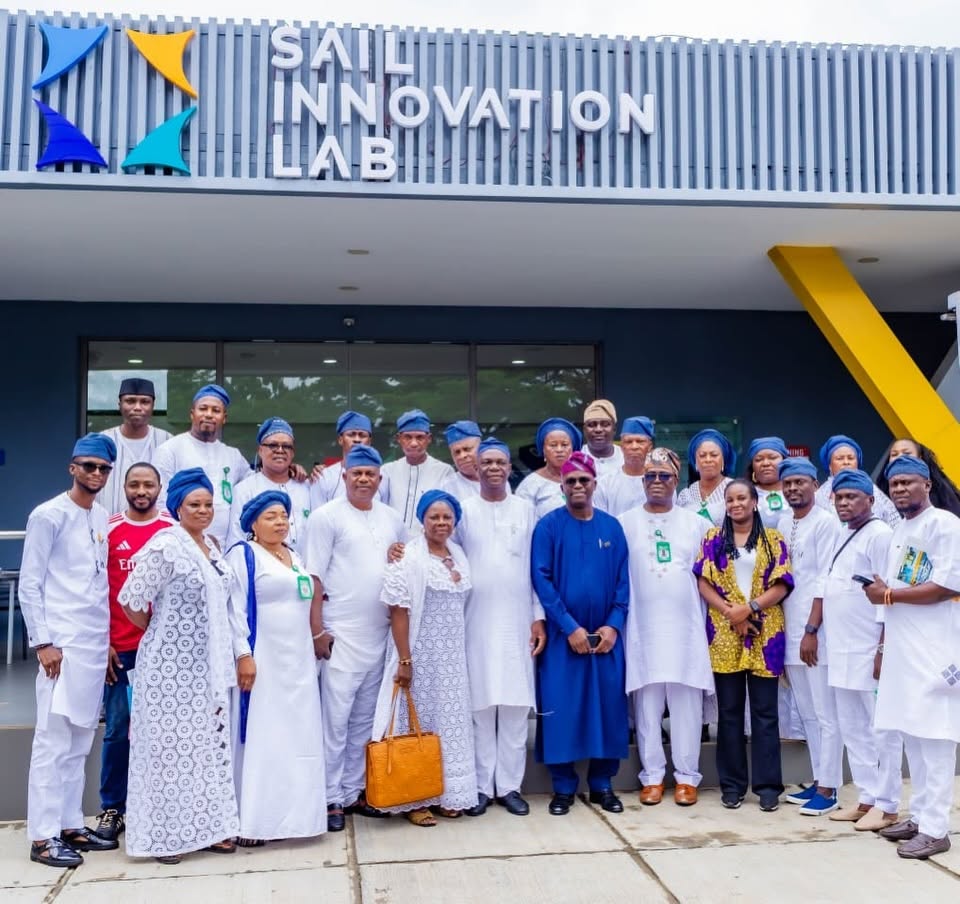
IKODASS Executives Tour SAIL Innovation Lab, Commend Senator Abiru’s Vision
The leadership of the Ikorodu Oga Development Association (IKODASS), led by its Chairman, Alhaji Fatai Olayiwola Kolawole, on Friday paid a courtesy visit to the iconic SAIL Innovation Lab,Ikorodu, where they commended Senator Mukhail Adetokunbo Abiru, FCA, for establishing a world-class innovation and digital skills development lab. 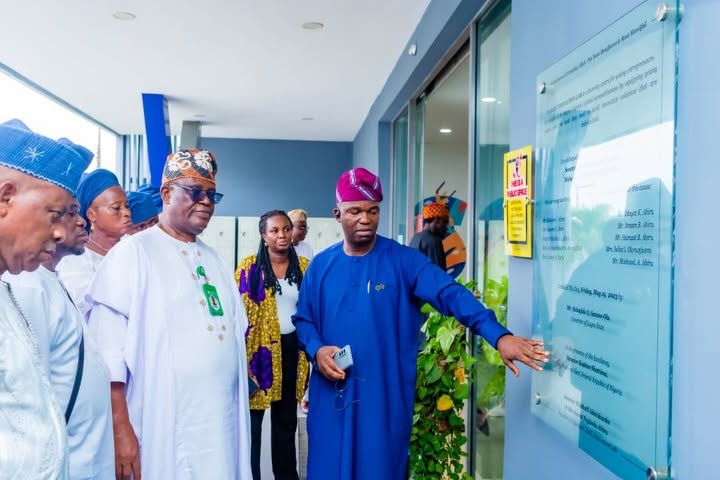 The IKODASS delegation, comprising executive members of the association, was conducted round the iconic facility and exposed to the various programmes and opportunities available to young people and entrepreneurs through the innovation hub. Speaking during the visit, Senator Abiru said the SAIL Innovation Lab is a transformative project that has placed Ikorodu Division, and by extension Lagos East Senatorial district on the global innovation map. He noted that the centre represents a major investment in human capital development and a strategic intervention aimed at preparing young people for the opportunities of the digital economy. 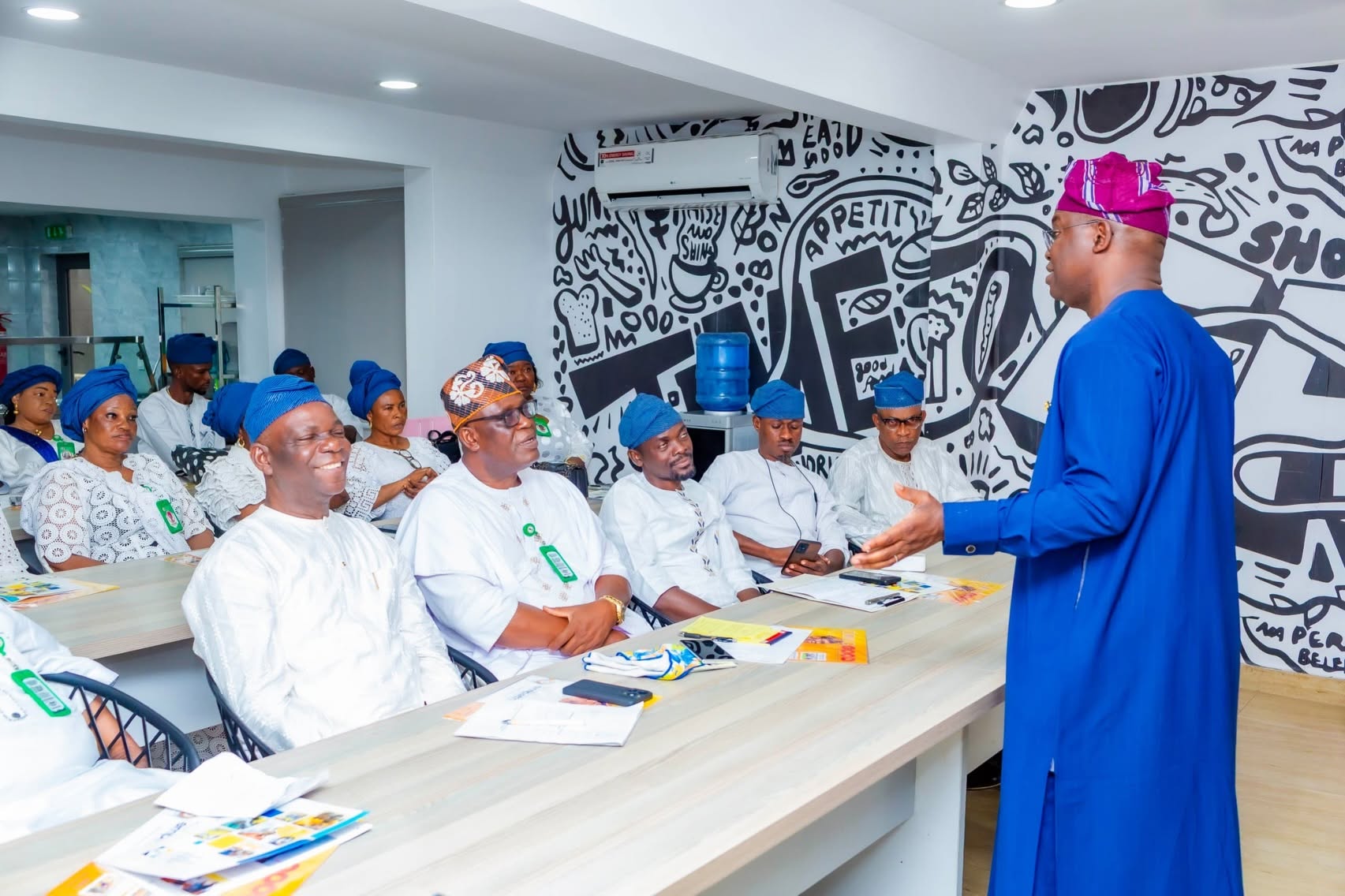 IKODASS chairman in his remarks saluted the efforts of Senator Abiru and his wife, saying: “We are highly impressed by what we have seen here today. This is a legacy project that will continue to impact generations of young people. Senator Abiru deserves commendation for bringing this world-class facility to Ikorodu and creating opportunities for our youths to acquire relevant digital skills and compete globally”. 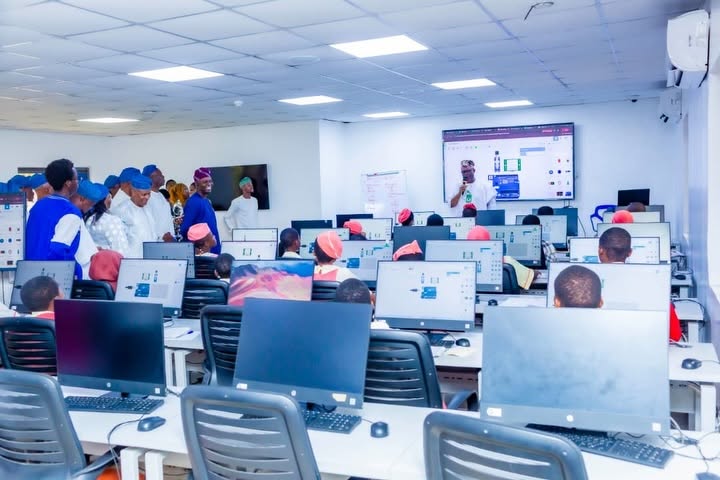 Alhaji Kolawole noted that the innovation lab aligns with the association’s vision of promoting the socioeconomic development of Ikorodu Division and expressed optimism that the centre would continue to produce talents capable of driving innovation and entrepreneurship. Members of the delegation also praised the quality of facilities at the hub and the various training programmes designed to equip participants with skills in tech talent development, artificial intelligence, robotics, digital marketing, games development,among others. They described the SAIL Innovation Lab as a strategic asset that would contribute significantly to reducing unemployment and fostering a culture of creativity and innovation among young people.
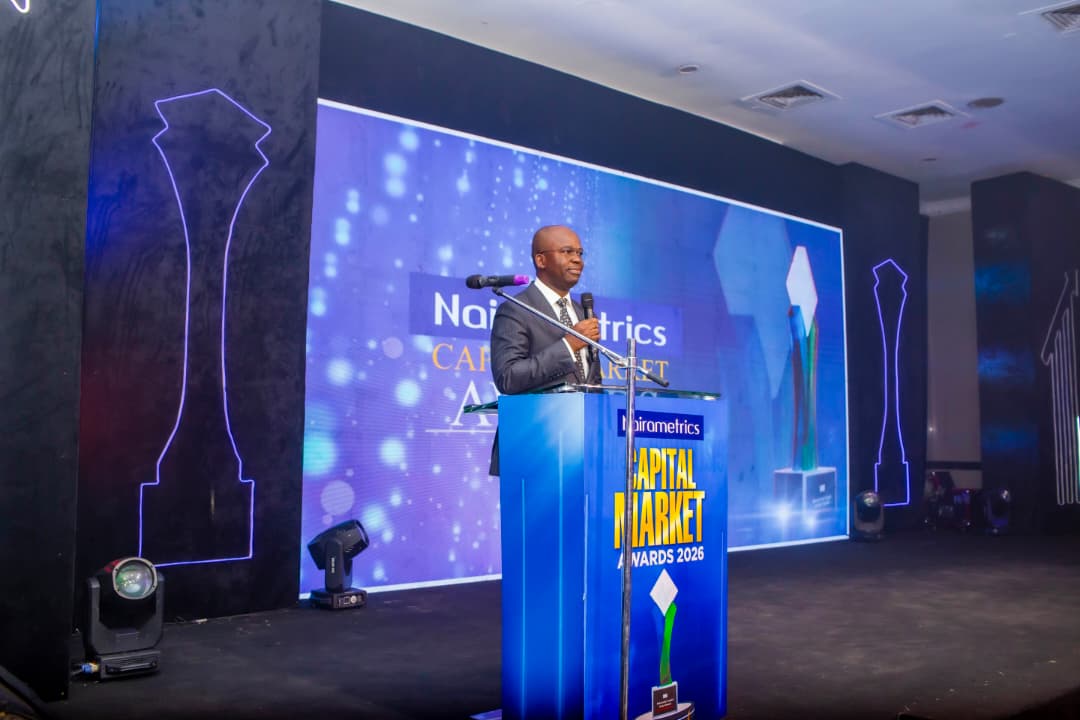
Senator Tokunbo Abiru Bags Nairametrics Legislative Excellence Award For Advancement of Financial Services Sector
The Senator representing Lagos East Senatorial District, Senator Mukhail Adetokunbo Abiru, FCA, on Friday was honoured with the Legislative Excellence Award for Financial Sector Advancement at the 2026 Nairametrics Capital Market Awards held in Lagos. Speaking after receiving the award, Senator Abiru expressed gratitude to the organisers for the recognition, describing it as a reflection of the collective efforts of stakeholders working to strengthen Nigeria’s financial and capital market ecosystem. 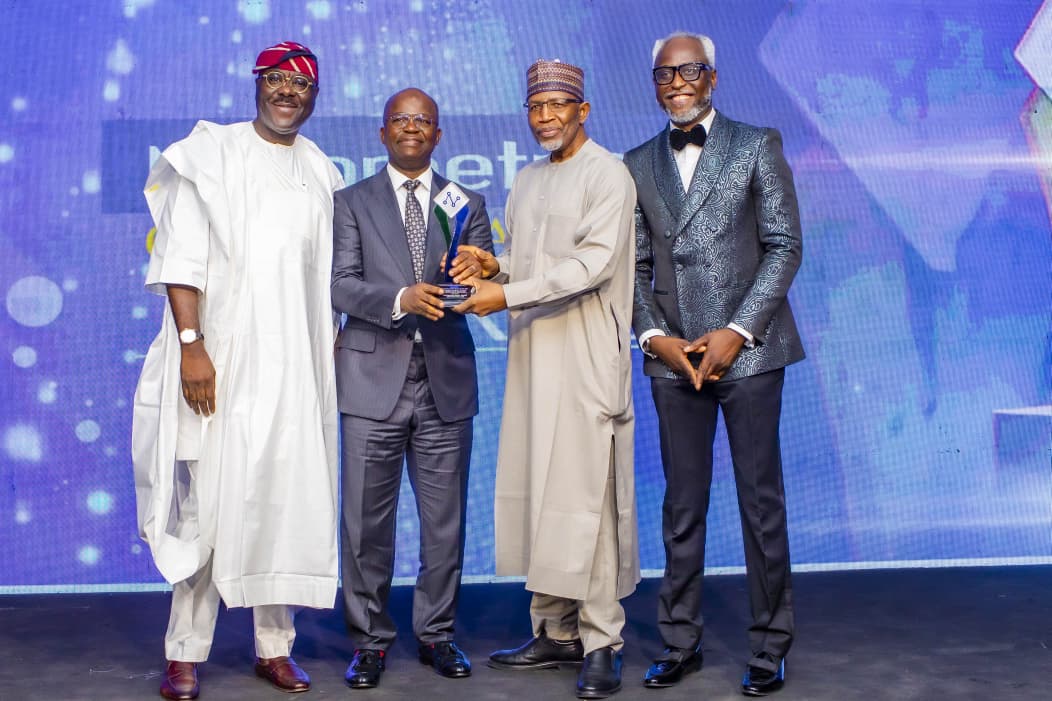 Abiru, who had a distinguished career in the financial services sector before joining public service, reiterated his commitment to supporting policies and legislative initiatives aimed at deepening the capital market, enhancing investor confidence, and promoting sustainable economic growth. The lawmaker noted that the recognition demonstrates the importance of collaboration among policymakers, regulators, market operators, and investors in building a globally competitive economy capable of attracting investment and creating opportunities for citizens. 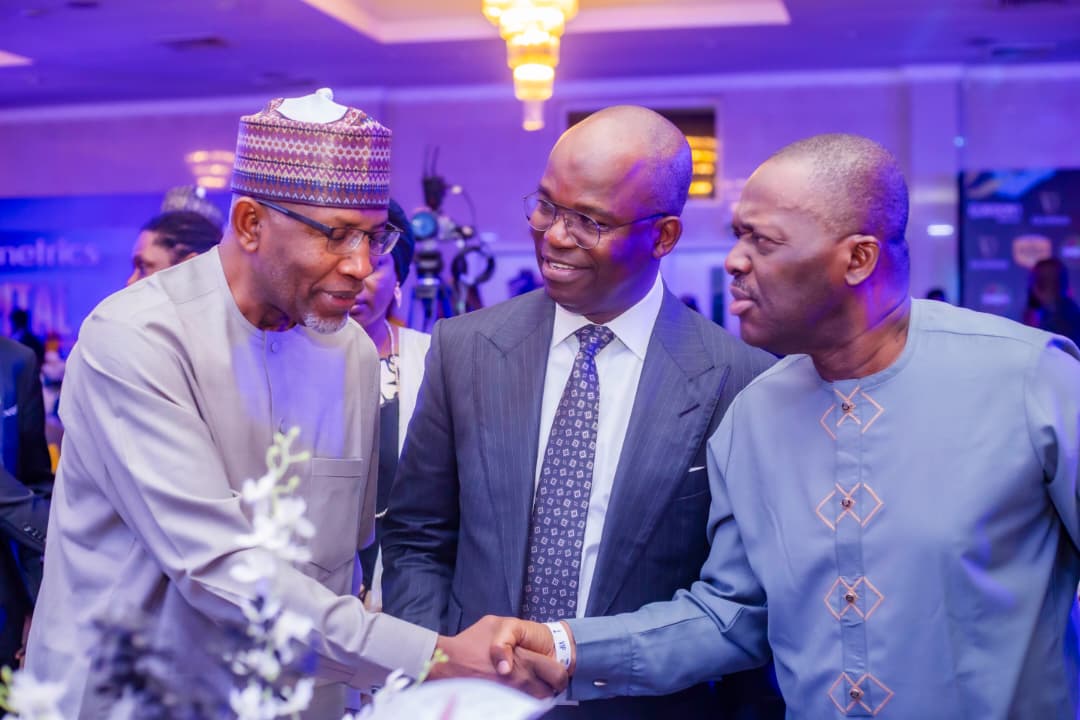 The Chairman of the Senate Committee on Banking, Insurance and Other Financial Institutions further commended stakeholders in the financial services sector for their dedication and contributions to the growth and development of Nigeria’s capital market. According to the lawmaker, the development of a vibrant and resilient capital market remains critical to Nigeria’s economic transformation and long-term prosperity. The Nairametrics Capital Market Awards recognises individuals and institutions that have made significant contributions to the growth, stability, and advancement of Nigeria’s capital market and broader financial sector.
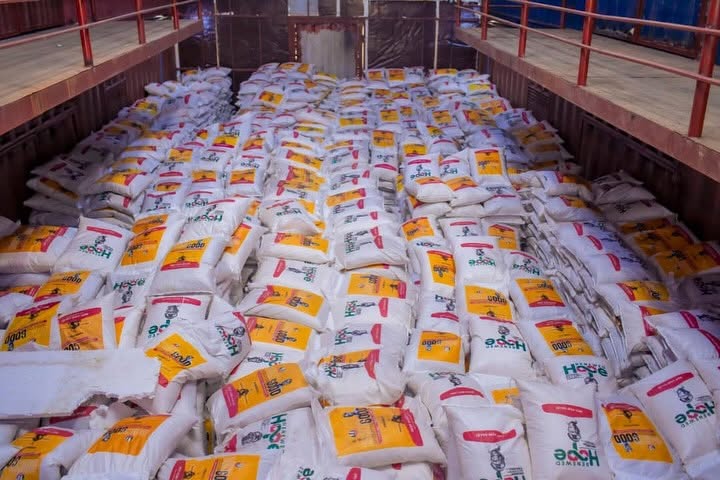
Eid-el-Kabir: Senator Tokunbo Abiru Distributes Food Packs to 10,000 Households Across Lagos East
In a remarkable demonstration of compassion and commitment to people’s welfare, the Senator representing Lagos East Senatorial District, Senator Mukhail Adetokunbo Abiru, FCA, has again reached out to constituents this festive period, distributing food packs to over 10,000 households across the district for this year’s Eid-el-Kabir celebrations. 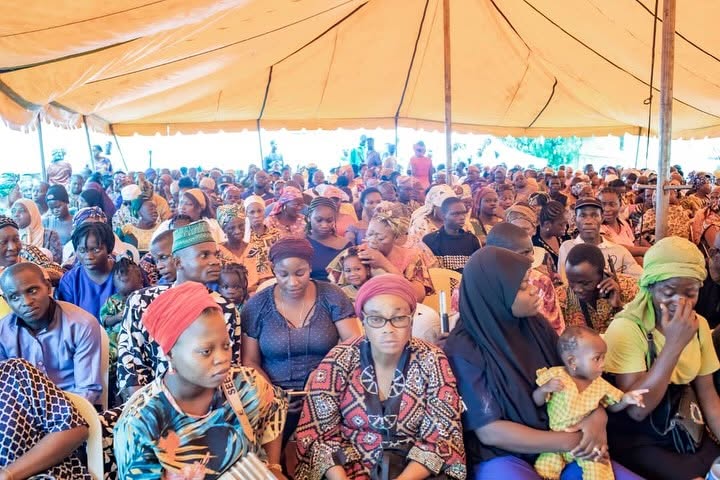 Thousands of beneficiaries gathered at designated distribution centres across Ikorodu, Epe, Ibeju-Lekki, Kosofe, and Somolu divisions to receive the food packs, which comprised staple household items, including bags of rice and garri. The intervention comes at a crucial period when many Nigerians are grappling with rising food prices and economic pressures. For several beneficiaries, the initiative provided much-needed relief and reinforced confidence in people-centred representation of Senator Abiru. Speaking through his media aide, Mr. Enitan Olukotun, during the exercise at the Ikorodu Constituency Office, Senator Abiru said the initiative reflects his unwavering commitment to the welfare, wellbeing, and socio-economic support of constituents across Lagos East. “This intervention is borne out of our sincere commitment to continuously identify with the people and provide practical support, particularly at a time many households are facing economic difficulties. Eid-el-Kabir is a season that symbolises sacrifice, compassion, generosity, and unity, and it is important that we extend love and support to one another,” Senator Abiru stated.  He noted that the food distribution programme forms part of his broader social intervention initiatives designed to cushion the effects of economic hardship on vulnerable residents and improve the quality of life of the people. Senator Abiru further expressed optimism that the initiative would complement the ongoing efforts of the Federal Government under President Bola Ahmed Tinubu, GCFR and the Lagos State Government led by Governor Babajide Sanwo-Olu in addressing food security challenges and stabilising the economy.“We all have a shared responsibility to support our people during challenging times. Government at all levels is implementing policies and interventions to improve economic conditions, and as representatives of the people, we must continue to contribute meaningfully through programmes that directly impact lives and strengthen our communities,” he added. 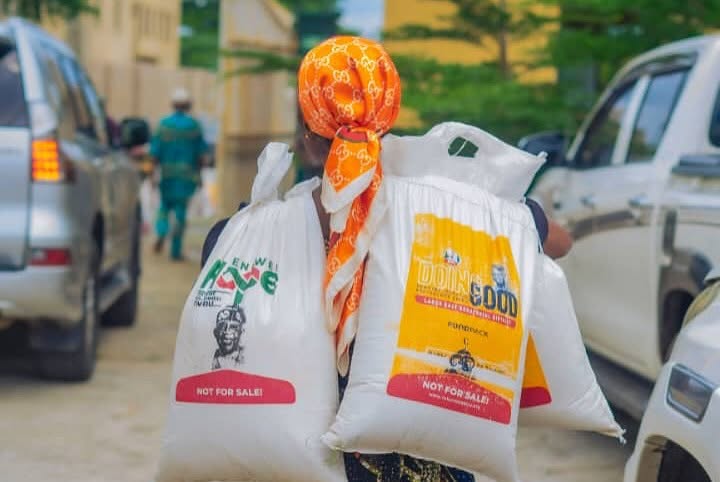 Beyond the household food distribution, Senator Abiru also shared rams and cows to Imams, political and community leaders, party stakeholders, and other deserving groups across the senatorial district to further support the Sallah celebrations. The Senator extended warm greetings and heartfelt felicitations to Muslim faithful across Lagos East and Nigeria at large, urging them to embrace the enduring values of peace, sacrifice, tolerance, love, and mutual support which Eid-el-Kabir represents. As families across Lagos East prepare to celebrate Eid-el-Kabir, Senator Abiru’s gesture has once again reinforced the importance of compassionate leadership and the enduring value of standing with the people during challenging times.

Senator Abiru Rallies APC Members to Support Tinubu at Presidential Primary
The senator representing Lagos East Senatorial District, Senator Mukhail Adetokunbo Abiru, FCA, has called on members of the All Progressives Congress to remain united and committed to the re-election of President Bola Ahmed Tinubu, GCFR ahead of the 2027 general elections. Senator Abiru made the call on Saturday after participating in the APC Presidential Primary Election at Ward A4, Aga/Ijomu in Ikorodu, Lagos State, where he cast his vote for President Tinubu. 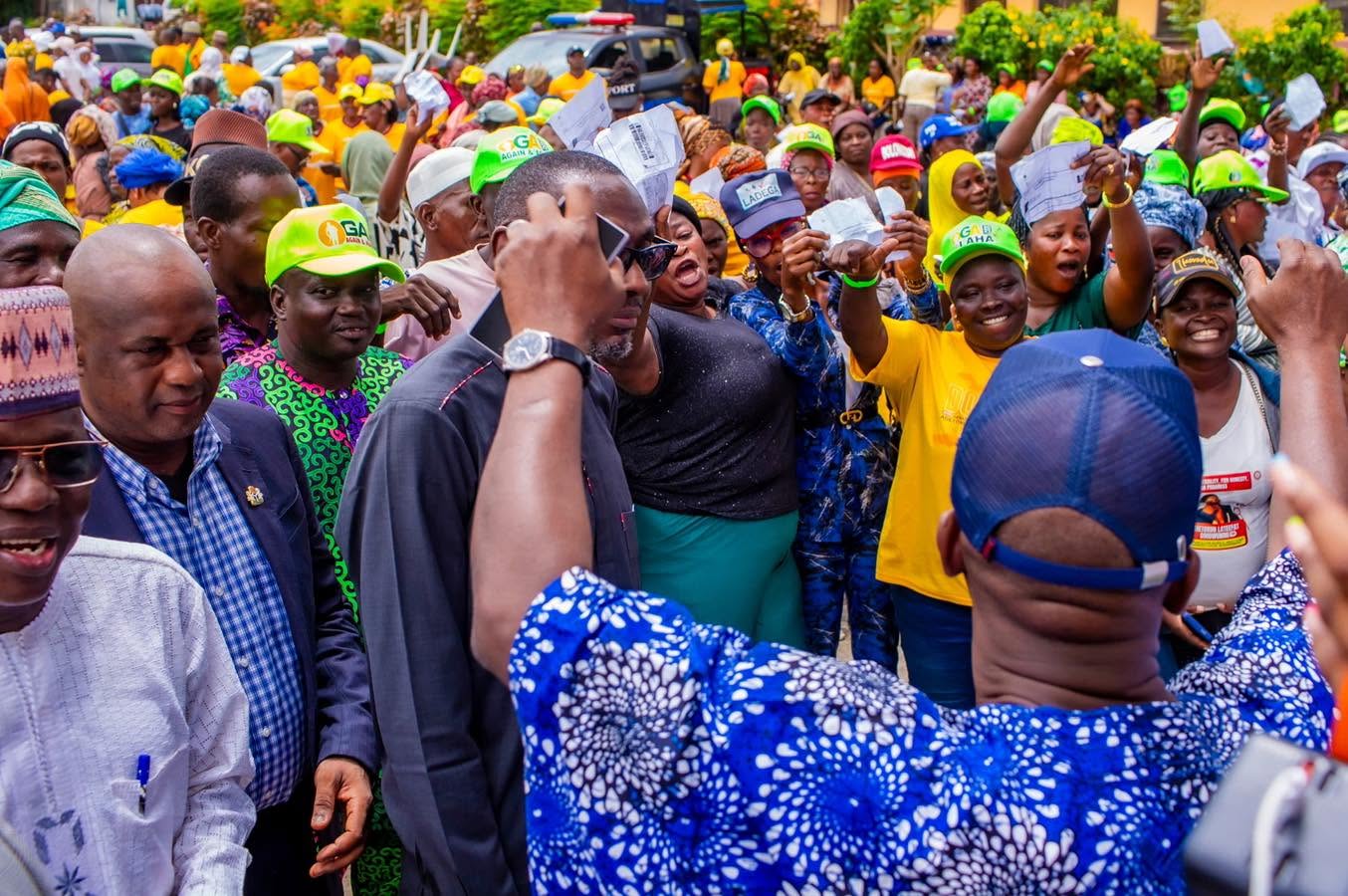 The lawmaker described the primary election as peaceful, transparent, and well coordinated, noting that the exercise reflected the democratic ideals, discipline, and unity that continue to define the ruling party. According to him, the successful conduct of the exercise reaffirmed the collective commitment of party members toward sustaining purposeful leadership, national stability, economic growth, and the continued advancement of Nigeria. Abiru commended the leadership of the APC, electoral officials, and party faithful for their dedication, maturity, and orderly conduct throughout the process. 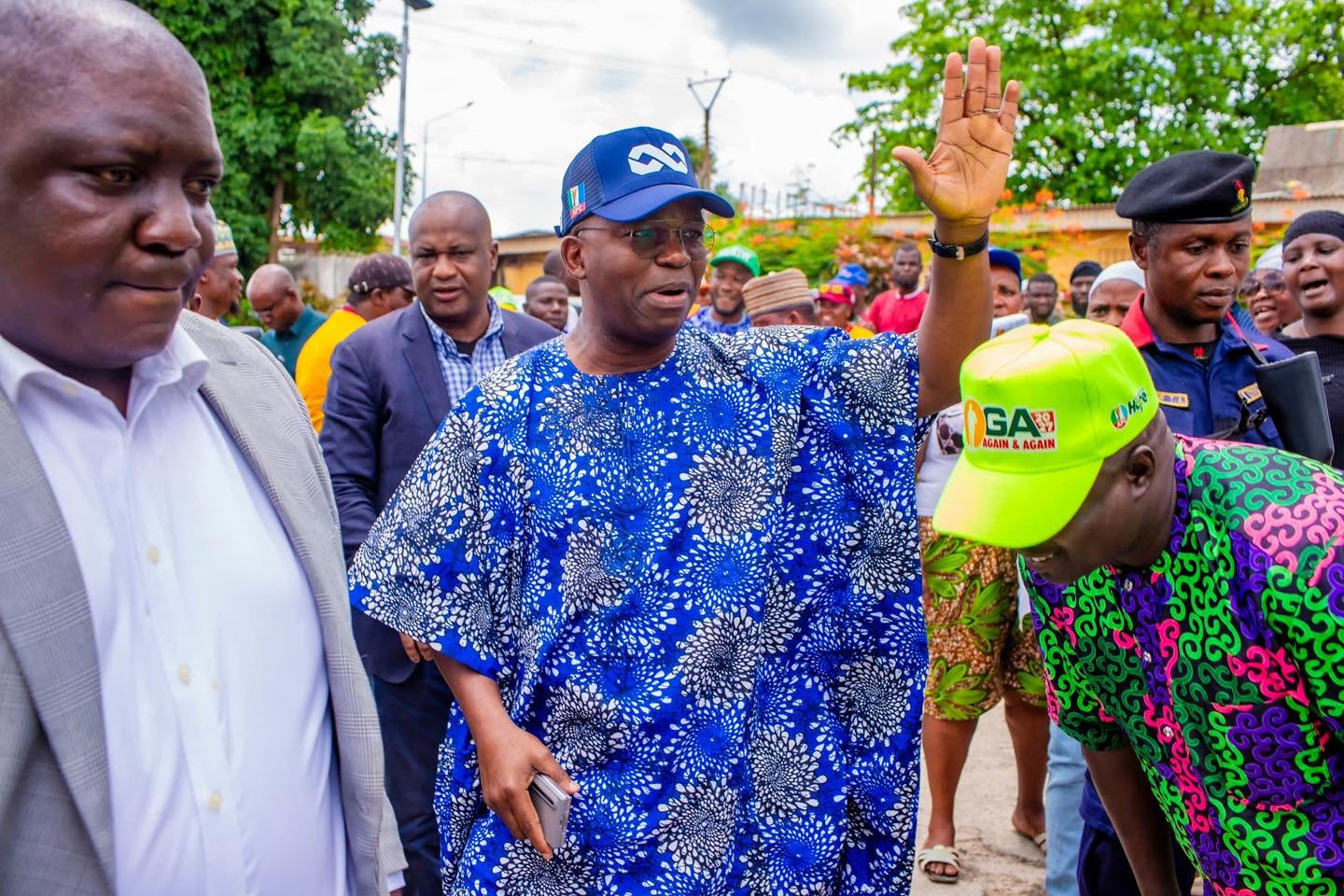 The senator also stressed the need for continued unity among party members, expressing confidence in the leadership of President Tinubu and the progressive ideals of the APC. “Together, we will continue to strengthen the foundations of good governance and build a more prosperous Nigeria for all,” Abiru said while speaking to newsmen.  It will be recalled that on Thursday the Senator also rallied support for the candidacy of Dr. Kadiri Obafemi Hamzat, as the gubernatorial flagbearer of the ruling party in Lagos State.
SAIL EMPOWERMENT FOUNDATION
PROGRAMMES
Register for our #DOINGGOOD programmes powered by SAIL EMPOWERMENT FOUNDATION
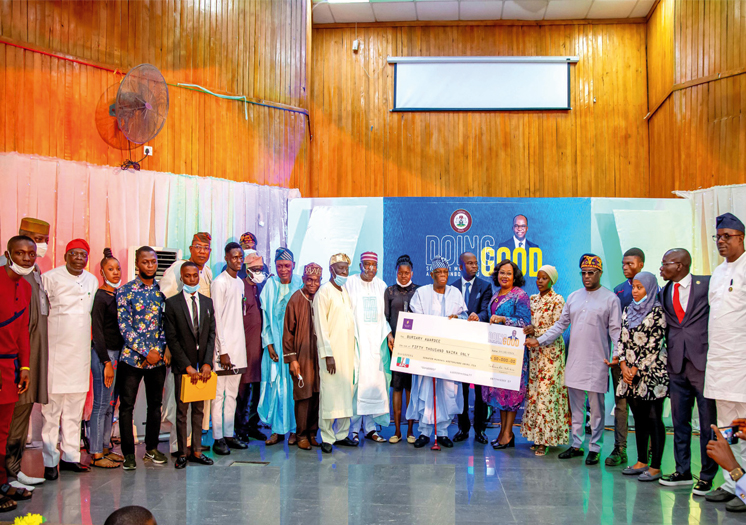
Annual bursary- 600
The Senator Abiru Annual Bursary Award was set up to promote higher qualitative education by supporting indigent but brilliant students in furtherance of their academic pursuit in Lagos state-based tertiary institutions.
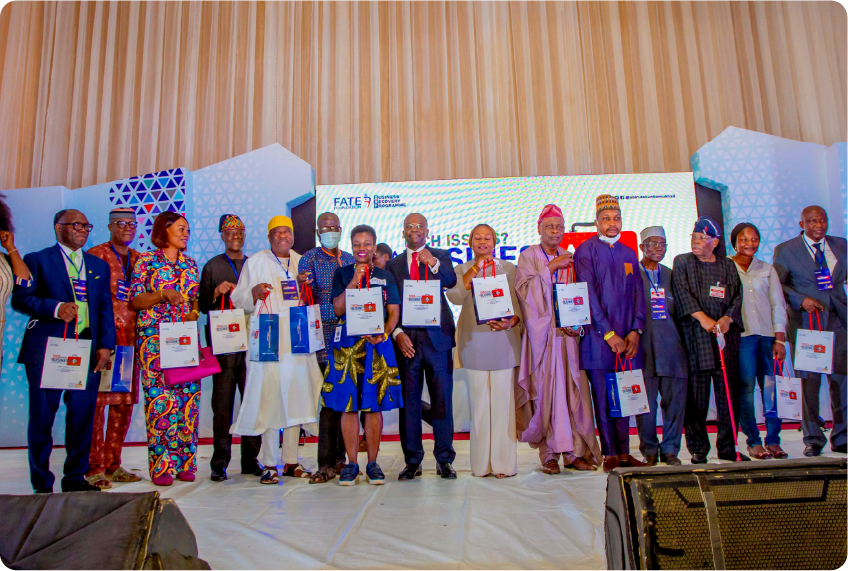
msme - 1000 for business aid
This is a capacity development training for 1000 MSMEs with a planned 300 Million Naira Lagos East Business Loan At Concessional 6% Per Annum Interest Rate
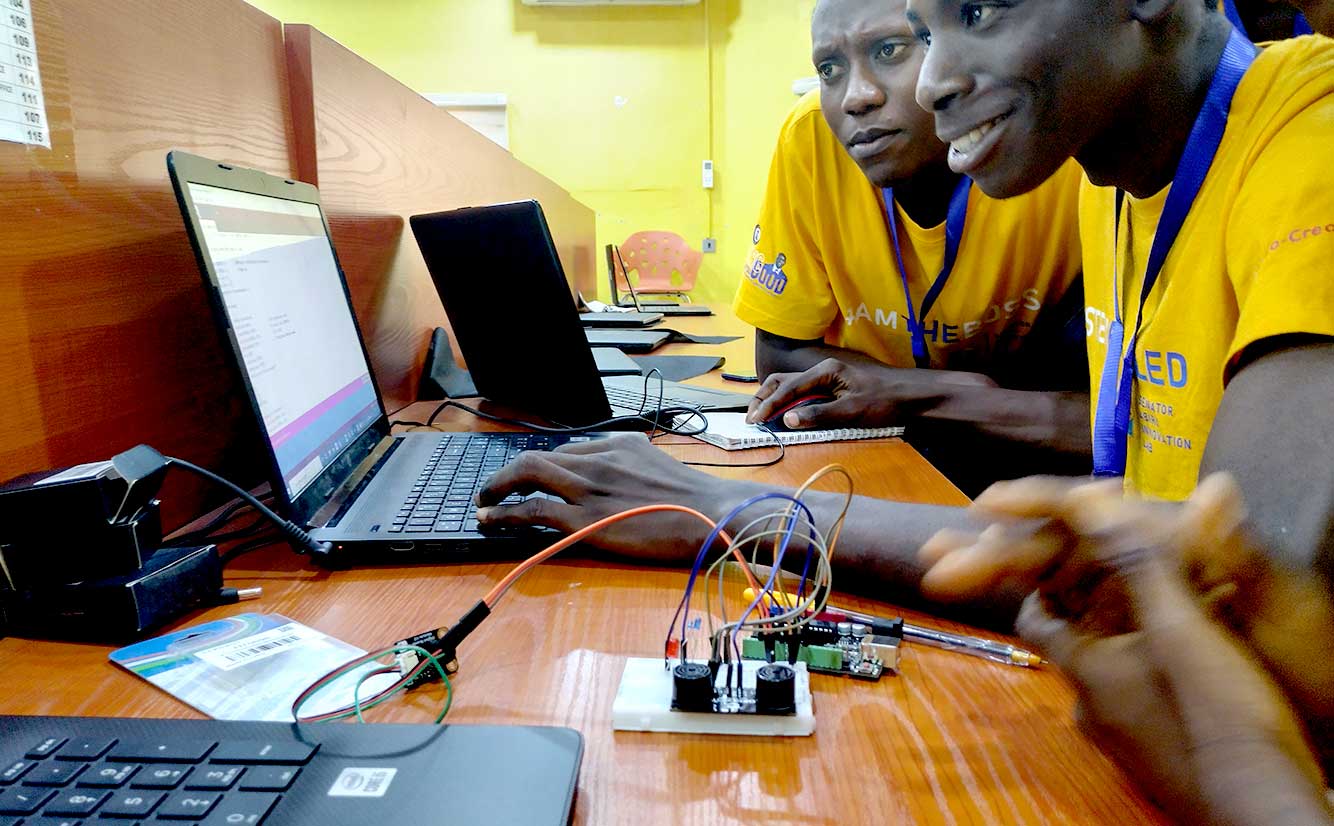
sail (Senator abiru innovation lab)
SAIL, is a dedicated Innovation and tech lab that is providing relevant technology, business and digital skills to tech enthusiasts and young entrepreneurs across the Lagos East Senatorial District.