
The Senator representing Lagos East Senatorial District, Adetokunbo Abiru, said that President Bola Tinubu understands that sustainable national development cannot be achieved without the full engagement of young people.
The event held at the Lagos State House of Assembly.
It had as its theme, “Youth Legislature on the Rise: Shaping Policies for the Future,” reflecting the urgency of the times.
Mr Abiru, who is also the chairman of the Nigerian Southern Senators Forum, said that on this day, they had witnessed young Nigerians taking up critical roles in the Federal Executive Council and other key institutions.
The federal lawmaker added that the president had demonstrated a clear commitment to repositioning the economy and creating sustainable opportunities for young people.
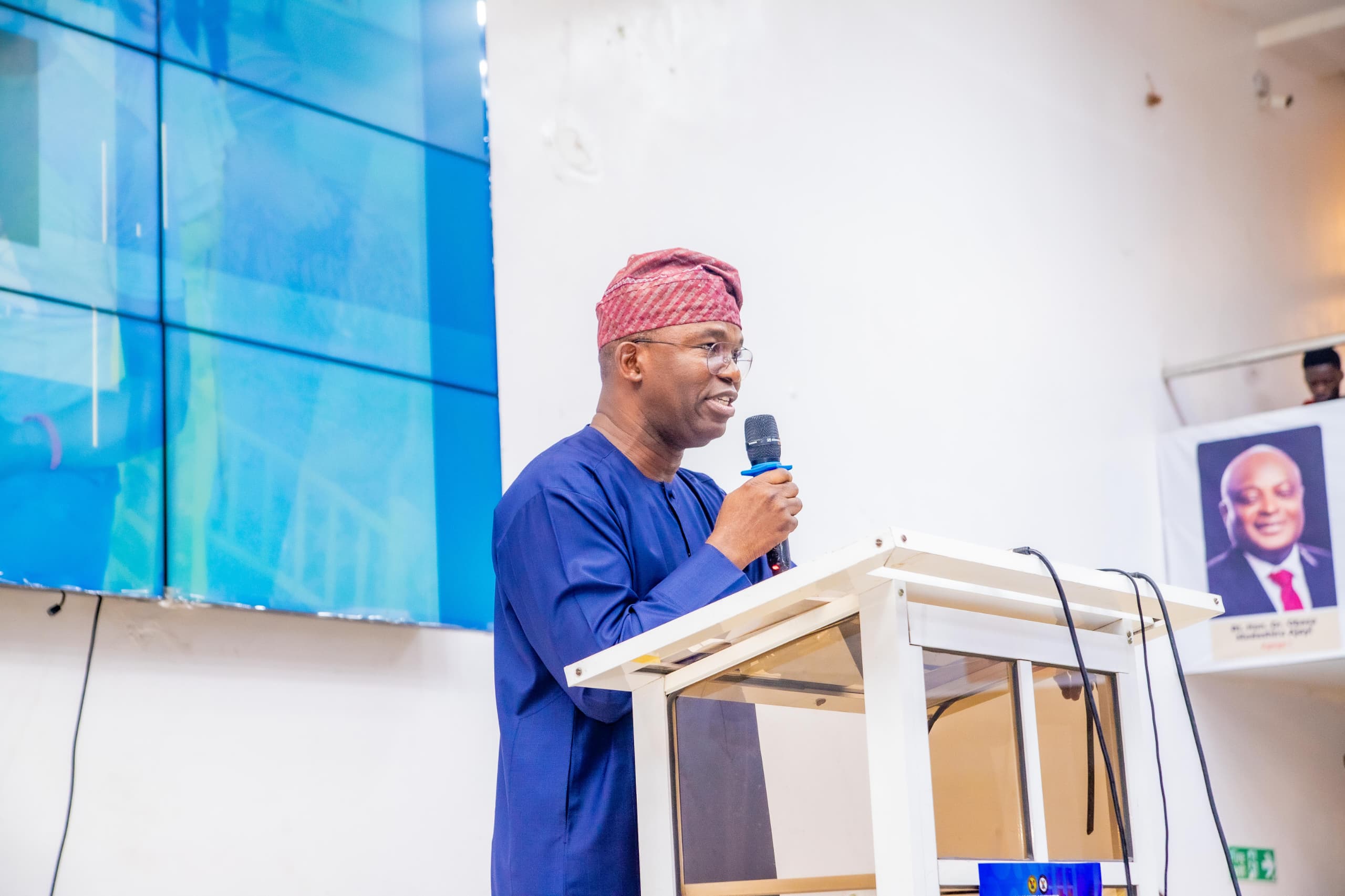
He said: “One of the most admirable hallmarks of the President’s administration is the inclusion of young people in governance.
“Examples are: Dr Bosun Tijani, Minister of Communications, Innovation and Digital Economy – a tech visionary; Mr Ayodele Olawande, Minister of Youth Development an active youth voice from the grassroots.

“Mr Aminu Umar-Sadiq, MD/CEO of Nigeria Sovereign Investment Authority entrepreneurship. An advocate for youth; Uzoma Nwagba, MD/CEO of Nigerian Consumer Credit Corporation champion of financial inclusion for youth empowerment.
“And several others serving as special assistants, advisers, and chief executive officers of critical agencies.
“This intentional inclusion is a validation of the age-old truth that the youths are not just leaders of tomorrow; they are leaders of today.”
The senator said it was no coincidence that one of the fastest-growing sectors under this administration was the digital economy and tech space.
He said the president had strategically positioned Nigeria to become a hub for innovation and entrepreneurship in Africa.
Mr Abiru said through support for tech startups, the expansion of digital infrastructure and favourable regulatory reforms, our young people were now leading a digital revolution.
He said: “Across the world, young people are no longer content with being passive observers of governance.
“They are innovators, entrepreneurs, digital architects, policy advocates, and reform champions. The 21st century has shifted power dynamics.
“As young leaders, your role is not merely to critique policies, but to engage constructively, monitor implementation, propose improvements, and support initiatives that advance national progress.”
Mr Abiru said looking ahead to the general elections in 2027, young people must recognise the power of their civic participation.
He said supporting continuity where reforms were yielding results was not about partisanship, but it was about stability, progress, and the consolidation of gains already made.
Mr Abiru urged the youth to mobilise, organise, and galvanise support for the success of this administration and its re-election in 2027.
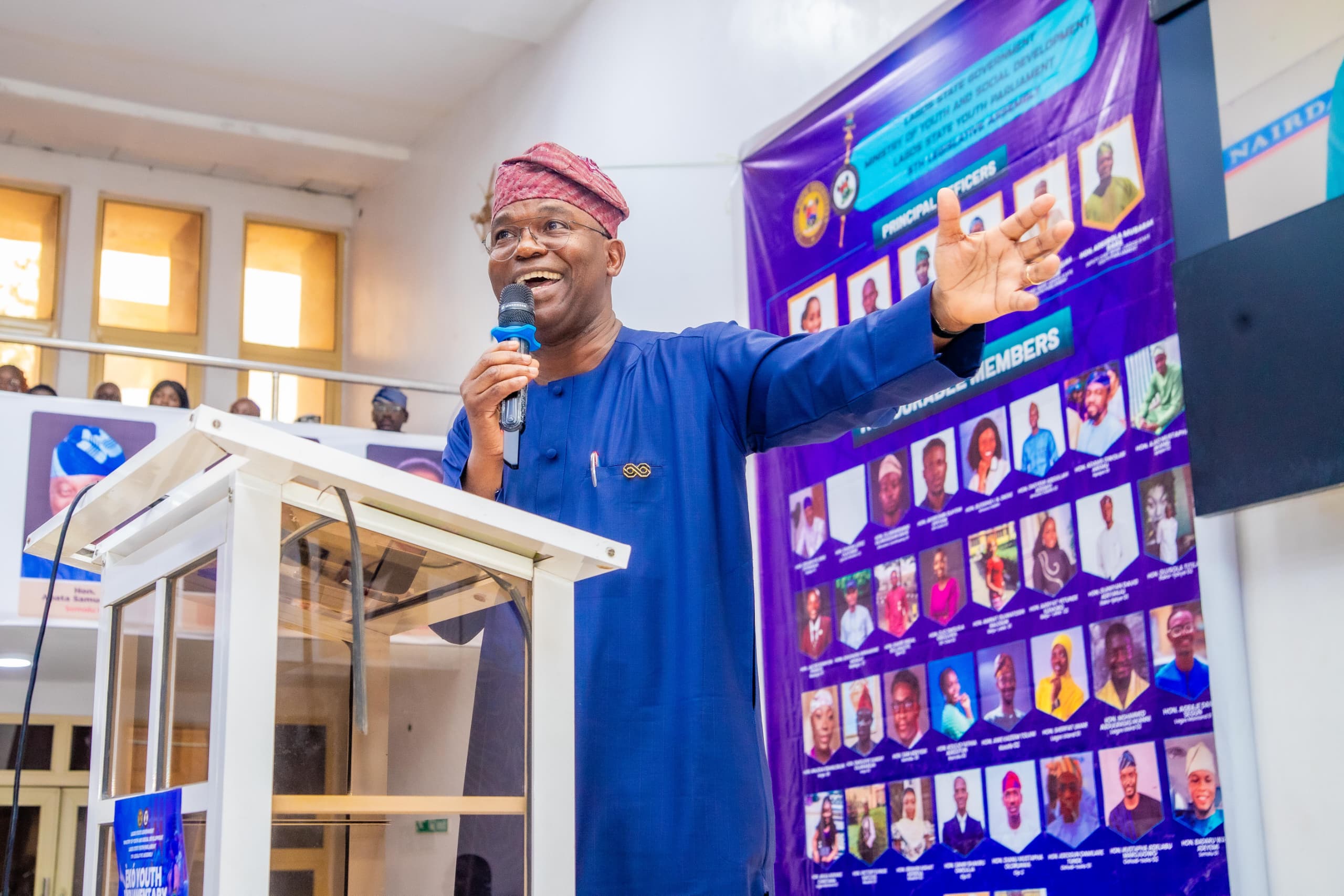
He also advised youth parliamentarians that leadership required more than ambition, as it also required competence, character, collaboration, and consistency.
Mr Abiru said they might sit this day in a chamber that mirrored the architecture of governance, adding that one day, many of them would occupy positions in the national assembly, state assemblies, and become chief executives.
In his remarks, the Speaker of the House, Mudashiru Obasa, said in spite of the Not Too Young Act, which lowered age barrier into public offices, youth representation in legislative chambers remained limited in practice.
Mr Obasa, represented by his deputy, Lasbat Meranda, said this reality was a clarion call that youth participation would not flourish by accident; it must be strengthened through deliberate policies and intentional institutional design.
He added that in the just concluded 2023 general elections, youths constituted the largest segment of registered voters, yet the translation of voter registration into youth representation remained marginal.
According to him, these numbers underscore the reality that our youths are numeric, they have not yet achieved the commensuration influence within the corridor or policy making and law making.
In her welcome remarks, the Speaker of the 5th Lagos State Youth Parliament, Itunuoluwa Soniregun, said it gave her pride to welcome guests to the first of its kind Eko Youth Parliamentary Summit.
Ms Soniregun, who is also the vice chairperson of the Conference of State Speakers in Nigeria, said this day was a proof that the voice of Lagos youth was no longer a whisper in the corridor of power but a desirable call to shape the state.
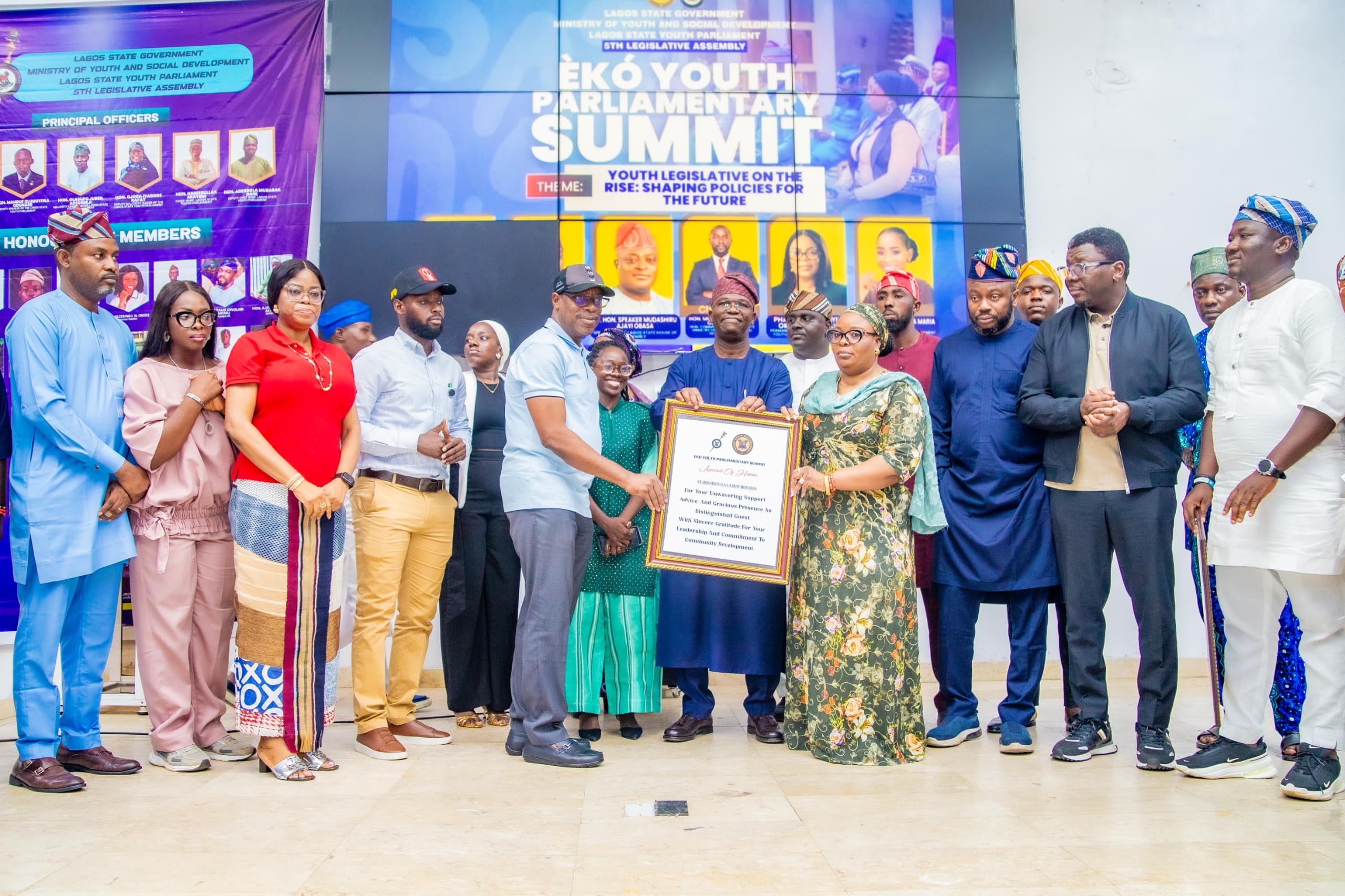
She said the Lagos parliament had been recognised as a youth body actively engaged in international partnership that provided opportunities, exposure and open relevance to young people in the state.
(NAN)


